
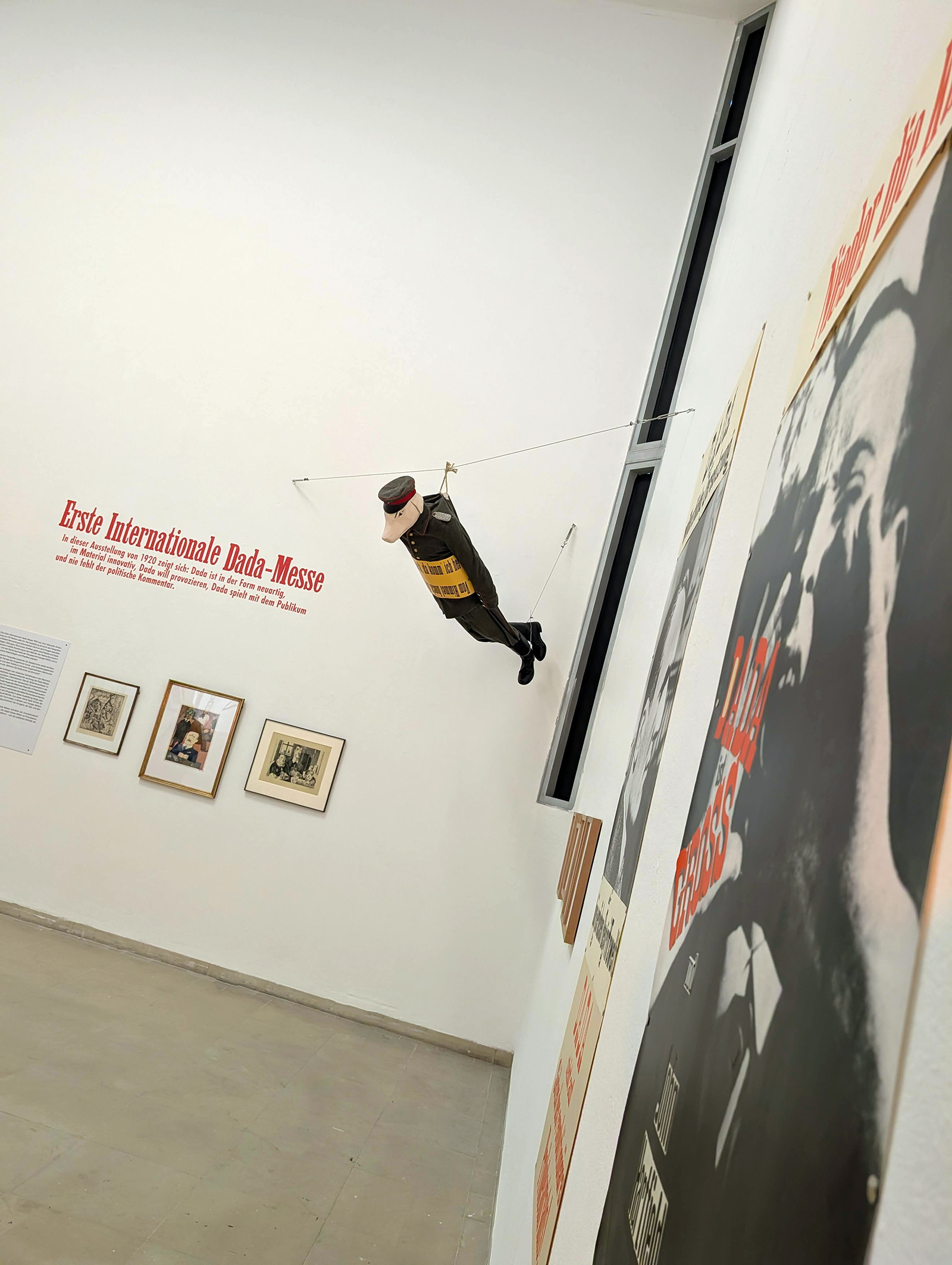
Antibürgerlich, anarchistisch und pazifistisch übte Dada mit scharfem Blick und beißender Satire Gesellschaftskritik, hinterfragte geltende Werte sowie politische und soziale Zustände und Dynamiken, vor allem jene, die zur Katastrophe des Ersten Weltkriegs geführt hatten. 1916 noch während des Krieges gegründet, wird das Ende der Bewegung zwar in den frühen 1920er Jahren verortet, Künstler:innen wie George Grosz, Hannah Höch und John Heartfield kämpften jedoch mit Mitteln der Kunst später auch gegen den aufkommenden Nationalsozialismus. Den Nationalsozialisten gilt Dada als „entartet“.
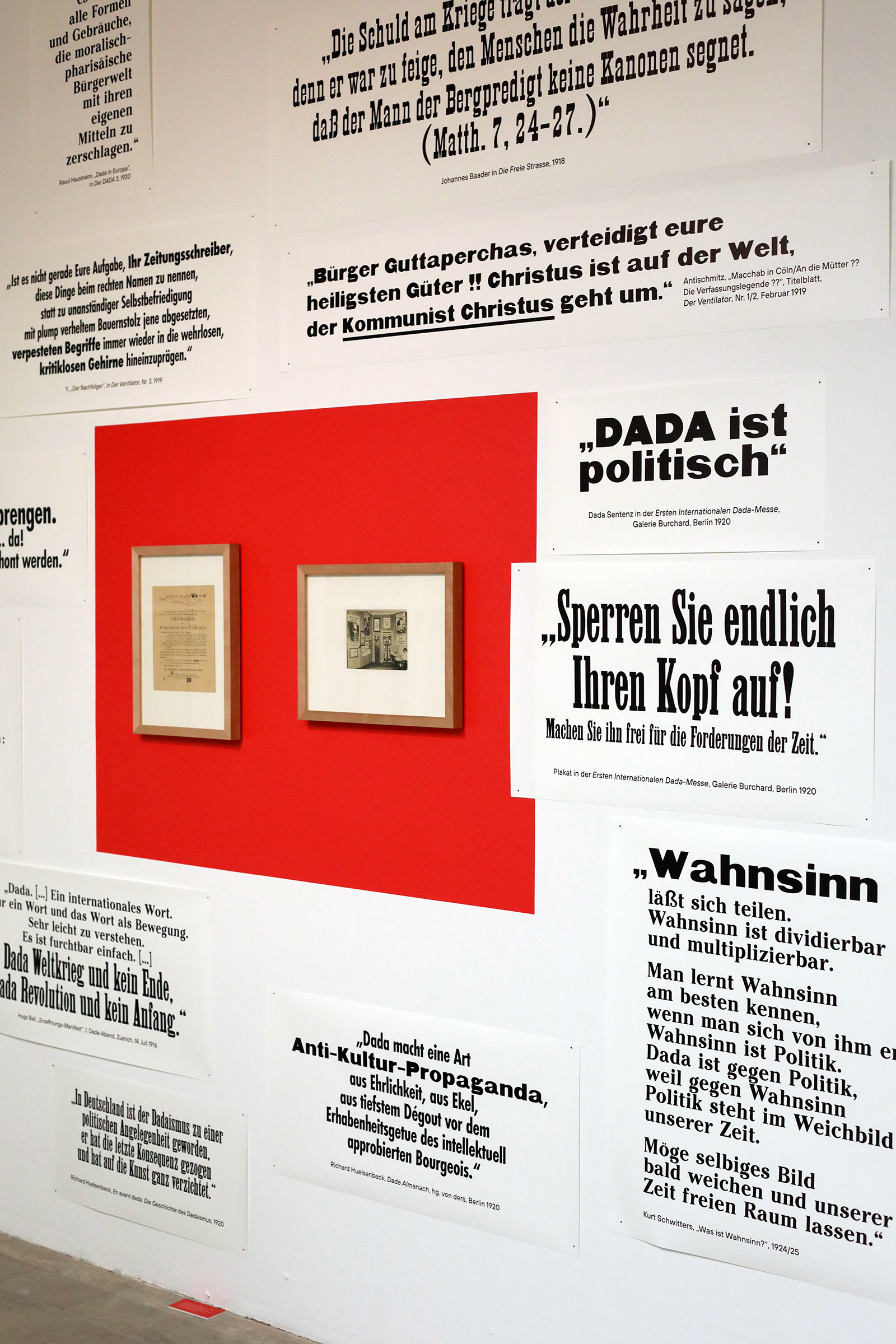
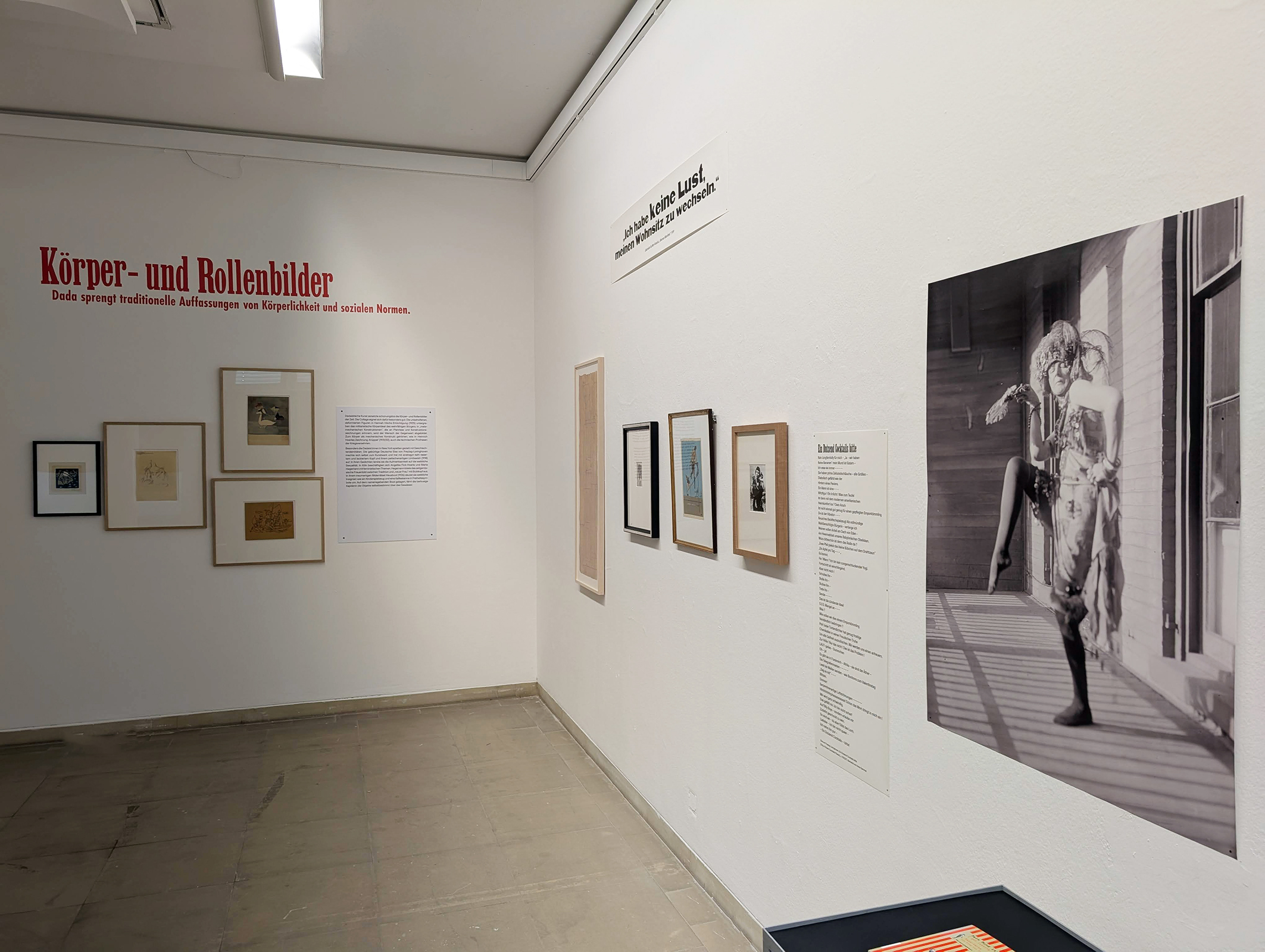
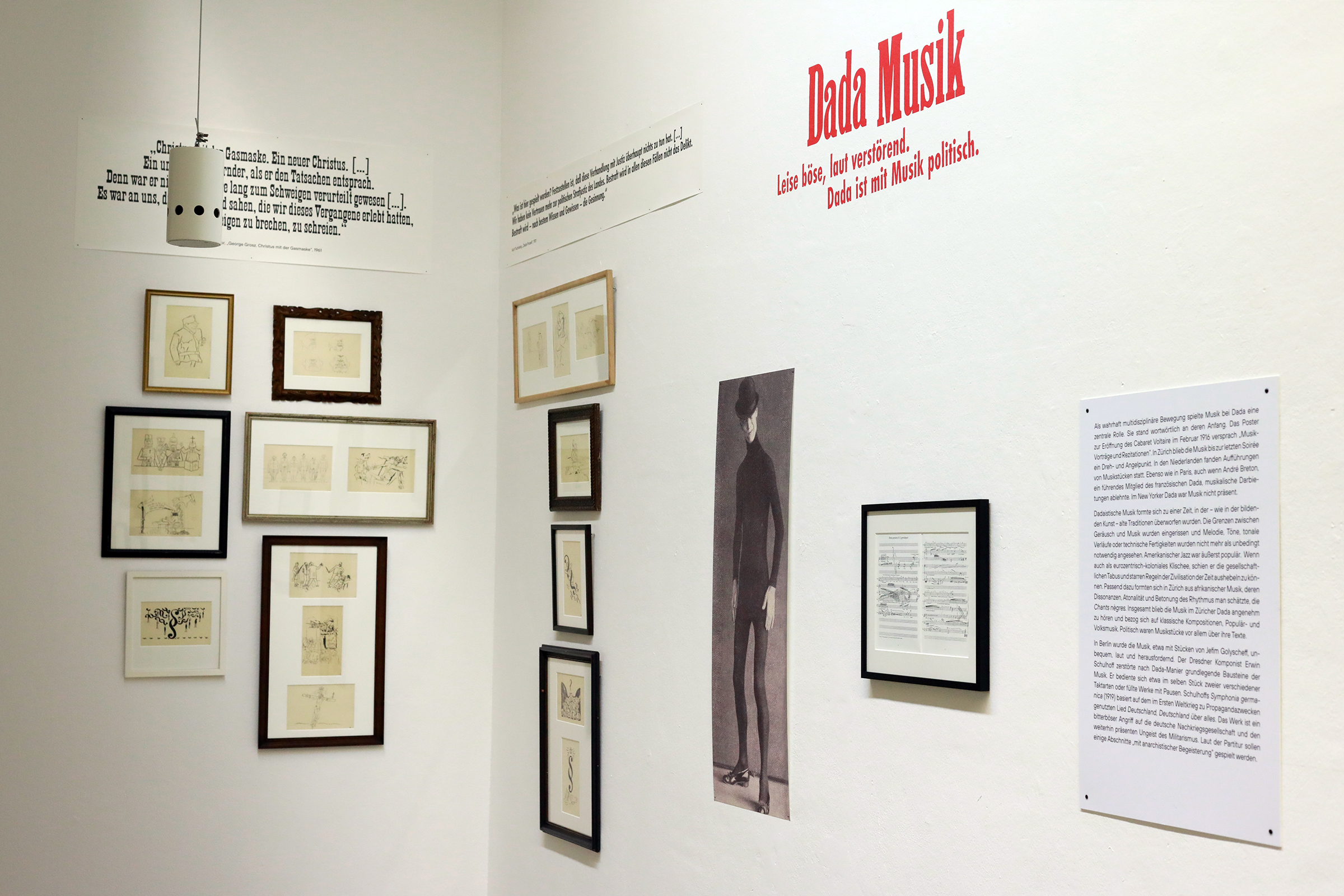
Die Kunst der Dadaist:innen ist bunt, laut – und keineswegs einheitlich. Sie bedienten sich unterschiedlichster Stile und produzierten Literatur, Lyrik, Bühnenstücke, Gemälde, Grafik, Collagen und Fotografien. Doch das Politische ist ein zentraler gemeinsamer Nenner, der sich wie ein roter Faden durch die Arbeiten der Bewegung zieht und auf verschiedenste und unerwartete Weisen zum Ausdruck kommt. Zum 110. Geburtstag feiert „Sperren Sie endlich Ihren Kopf auf!“ die Kunstbewegung Dada und zeigt die Aktualität ihres politischen Engagements.
Mit Werken unter anderem von Johannes Baader, Hugo Ball, Erwin Blumenfeld, Paul Citroen, Otto Dix, Otto Griebel, George Grosz, John Heartfield, Marta Hegemann, Emmy Hennings, Hannah Höch, Heinrich Hoerle, Richard Huelsenbeck, Franz Jung, Walter Mehring, Rudolf Schlichter, Kurt Schwitters, Sophie Taeuber-Arp.
Kuratiert wird die Ausstellung von Dr. Katharina Günther. Die Kunsthistorikerin arbeitet in dieser Ausstellung zu Kunst der Moderne und ihren politischen, sozialen und ideengeschichtlichen Kontexten. Sie verbindet historische Präzision mit der Frage nach der Gegenwartskraft künstlerischer Positionen.
„Dada ist aufregende, innovative Kunst, aber auch ein Appell. Die pazifistisch eingestellten Dadaist:innen zweifelten bereits den Sinn des Ersten Weltkriegs an. Arbeitslosigkeit und Armut prägten die neue Weimarer Republik, das Bürgertum war träge im Denken und Handeln. Machtstrukturen aus dem Kaiserreich waren erhalten geblieben und einige wenige machten sich die Taschen voll. Dada klagte an und forderte das Publikum zum Hinsehen, Reflektieren und Verstehen auf.“ – Dr. Katharina Günther
Ein besonderer Höhepunkt des Programms ist ein Abend mit Blixa Bargeld am Donnerstag, 25. Juni 2026. Schon der Name des Musikers und Autoren ist eine Hommage an der Kölner Dadaisten Johannes Baargeld. Mit den Einstürzenden Neubauten führte der Sänger Bargeld Dada in die Gegenwart. In seinen Solo-Projekten setzt er die Dada Sprach- und Denkradikalität fort. Der Musiker, Schriftsteller und Schauspieler Rocko Shamoni spricht am Sonntag, 31. Mai 2026 über Dada, Nonsense, Absurdität und Humor als Stil- und Kampfmittel in der Kunst. Beide Veranstaltungen finden in Kooperation mit dem Ox Fanzine statt. Der Abend mit Rocko Schamoni wird vom Förderkreis des Museums unterstützt.
Parallel zur Ausstellung zeigen wir Simon Wachsmuths Videoarbeit From Heaven High [Vom Himmel hoch], 2025 als zeitgenössische Intervention in unserer Literatursammlung. Er ist am 5. Juli 2026 zu einem Künstlergespräch zu Gast.
„Dada ist auch heute nicht ,vorbei'. Dada hat nach NO!art und Fluxus im Untergrund und vor allem in der Musik überlebt. Dada existiert im absichtsvollen Anti-Sound weiter, im Spiel mit Nonsens, im performativen Angriff aus dem Katzenklo. Dada ist eine Aufforderung, die Mechanismen der Macht im Bild, im Satz, im Reflex zu erkennen. ,Kopf auf' heißt nicht, mehr Information. Es bedeutet, fang endlich an zu denken – und handle, damit unsere Demokratie nicht untergeht!“ – Dr. Jürgen Joseph Kaumkötter
Begleitprogramm:
- Sa, 9. Mai 2026, 18:00 Uhr – Vernissage
- So, 10. Mai 2026, 15:00 Uhr – Öffentliche Kuratorinnenführung mit Dr. Katharina Günther
- So, 31. Mai 2026, 17:30 Uhr – Rocko Schamoni im Gespräch über Dada, Nonsense, Absurdität und Humor in der Kunst
- Do, 25. Juni 2026, 20:00 Uhr – Blixa Bargeld, Geeichte Ichung - Solo Vocal Performance
- So, 5. Juli 2026, 15:00 Uhr – Künstlergespräch mit Simon Wachsmuth und Prof. Dr. Christian Berger (Universität Siegen, Kunstgeschichte)
- So, 13. September 2026, 15:00 Uhr – Finissage, Dialogführung mit Rosa Räderscheidt
Öffentliche Führungen werden sonntags um 15:00 Uhr angeboten. Eine Voranmeldung ist nicht nötig. Die Führung ist im Eintrittspreis enthalten. Treffpunkt ist im Foyer im Bereich der Kasse.
Private Führungen für bis zu 25 Personen können für 70 Euro gebucht werden.
Workshops für Schulen und andere Gruppen können individuell abgesprochen werden.
Anfragen und Terminabstimmung an info@verfolgte-kuenste.de
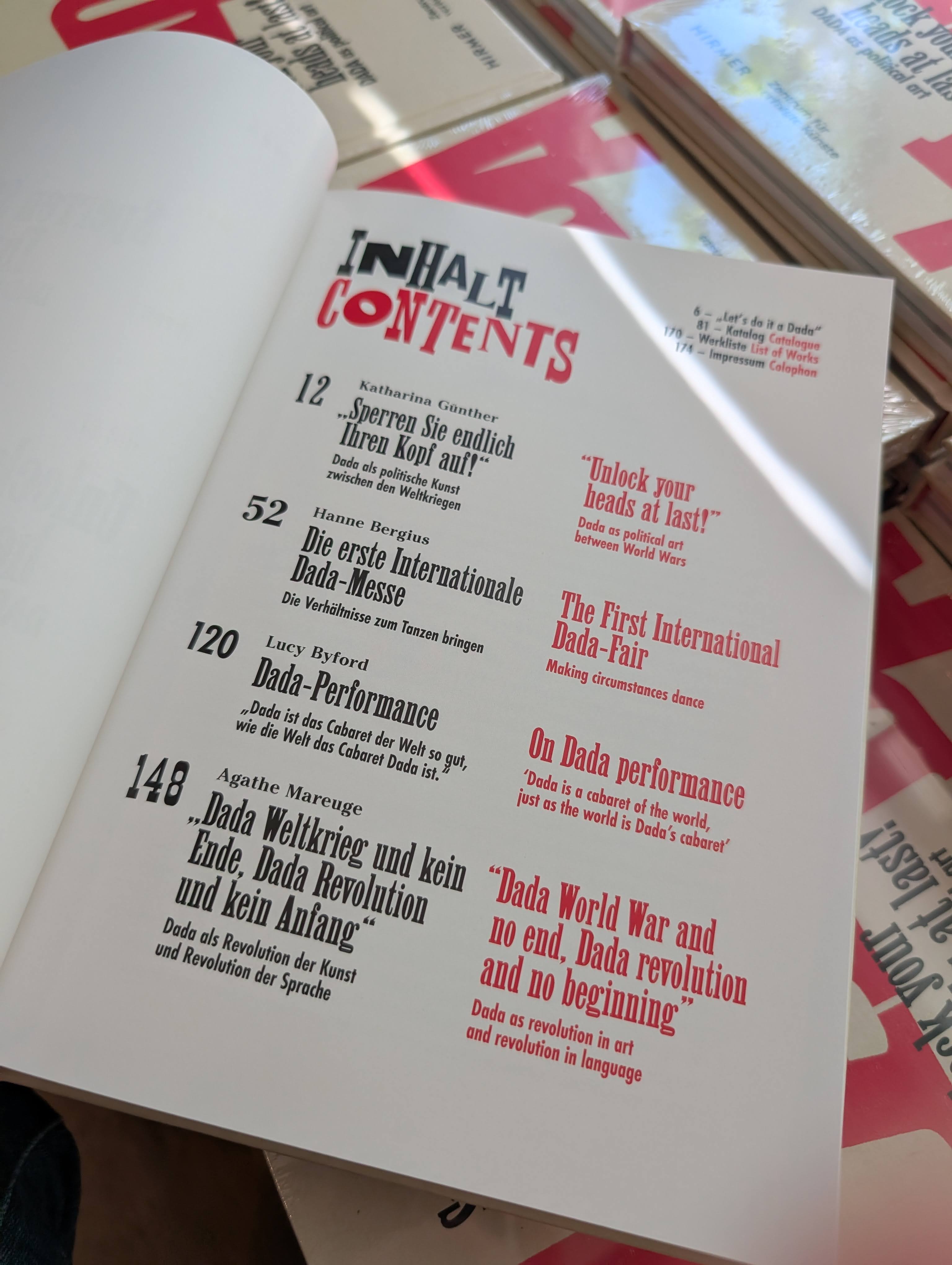
Zur Ausstellung erscheint ein zweisprachiger Katalog im Hirmer-Verlag. Mit Essays von Katharina Günther, Hanne Bergius, Lucy Byford, Agathe Mareuge und „Let’s do it a Dada“ von Jürgen Joseph Kaumkötter.
Das Ox-Fanzine beschäftigt sich in der 130. Folge seines Podcasts mit unserer Dada-Ausstellung: „Punk & Dada“
Die Ausstellung wird von der Gerd-Kaimer-Bürgerstiftung Solingen, der Kunststiftung NRW und der Regionalen Kulturförderung des LVR gefördert.

What’s a Rich Text element?
The rich text element allows you to create and format headings, paragraphs, blockquotes, images, and video all in one place instead of having to add and format them individually. Just double-click and easily create content.
Static and dynamic content editing
A rich text element can be used with static or dynamic content. For static content, just drop it into any page and begin editing. For dynamic content, add a rich text field to any collection and then connect a rich text element to that field in the settings panel. Voila!
How to customize formatting for each rich text
Headings, paragraphs, blockquotes, figures, images, and figure captions can all be styled after a class is added to the rich text element using the "When inside of" nested selector system.
What’s a Rich Text element?
The rich text element allows you to create and format headings, paragraphs, blockquotes, images, and video all in one place instead of having to add and format them individually. Just double-click and easily create content.
Static and dynamic content editing
A rich text element can be used with static or dynamic content. For static content, just drop it into any page and begin editing. For dynamic content, add a rich text field to any collection and then connect a rich text element to that field in the settings panel. Voila!
How to customize formatting for each rich text
Headings, paragraphs, blockquotes, figures, images, and figure captions can all be styled after a class is added to the rich text element using the "When inside of" nested selector system.
What’s a Rich Text element?
The rich text element allows you to create and format headings, paragraphs, blockquotes, images, and video all in one place instead of having to add and format them individually. Just double-click and easily create content.
Static and dynamic content editing
A rich text element can be used with static or dynamic content. For static content, just drop it into any page and begin editing. For dynamic content, add a rich text field to any collection and then connect a rich text element to that field in the settings panel. Voila!
How to customize formatting for each rich text
Headings, paragraphs, blockquotes, figures, images, and figure captions can all be styled after a class is added to the rich text element using the "When inside of" nested selector system.
What’s a Rich Text element?
The rich text element allows you to create and format headings, paragraphs, blockquotes, images, and video all in one place instead of having to add and format them individually. Just double-click and easily create content.
Static and dynamic content editing
A rich text element can be used with static or dynamic content. For static content, just drop it into any page and begin editing. For dynamic content, add a rich text field to any collection and then connect a rich text element to that field in the settings panel. Voila!
How to customize formatting for each rich text
Headings, paragraphs, blockquotes, figures, images, and figure captions can all be styled after a class is added to the rich text element using the "When inside of" nested selector system.
What’s a Rich Text element?
The rich text element allows you to create and format headings, paragraphs, blockquotes, images, and video all in one place instead of having to add and format them individually. Just double-click and easily create content.
Static and dynamic content editing
A rich text element can be used with static or dynamic content. For static content, just drop it into any page and begin editing. For dynamic content, add a rich text field to any collection and then connect a rich text element to that field in the settings panel. Voila!
How to customize formatting for each rich text
Headings, paragraphs, blockquotes, figures, images, and figure captions can all be styled after a class is added to the rich text element using the "When inside of" nested selector system.
What’s a Rich Text element?
The rich text element allows you to create and format headings, paragraphs, blockquotes, images, and video all in one place instead of having to add and format them individually. Just double-click and easily create content.
Static and dynamic content editing
A rich text element can be used with static or dynamic content. For static content, just drop it into any page and begin editing. For dynamic content, add a rich text field to any collection and then connect a rich text element to that field in the settings panel. Voila!
How to customize formatting for each rich text
Headings, paragraphs, blockquotes, figures, images, and figure captions can all be styled after a class is added to the rich text element using the "When inside of" nested selector system.
What’s a Rich Text element?
The rich text element allows you to create and format headings, paragraphs, blockquotes, images, and video all in one place instead of having to add and format them individually. Just double-click and easily create content.
Static and dynamic content editing
A rich text element can be used with static or dynamic content. For static content, just drop it into any page and begin editing. For dynamic content, add a rich text field to any collection and then connect a rich text element to that field in the settings panel. Voila!
How to customize formatting for each rich text
Headings, paragraphs, blockquotes, figures, images, and figure captions can all be styled after a class is added to the rich text element using the "When inside of" nested selector system.
What’s a Rich Text element?
The rich text element allows you to create and format headings, paragraphs, blockquotes, images, and video all in one place instead of having to add and format them individually. Just double-click and easily create content.
Static and dynamic content editing
A rich text element can be used with static or dynamic content. For static content, just drop it into any page and begin editing. For dynamic content, add a rich text field to any collection and then connect a rich text element to that field in the settings panel. Voila!
How to customize formatting for each rich text
Headings, paragraphs, blockquotes, figures, images, and figure captions can all be styled after a class is added to the rich text element using the "When inside of" nested selector system.
What’s a Rich Text element?
The rich text element allows you to create and format headings, paragraphs, blockquotes, images, and video all in one place instead of having to add and format them individually. Just double-click and easily create content.
Static and dynamic content editing
A rich text element can be used with static or dynamic content. For static content, just drop it into any page and begin editing. For dynamic content, add a rich text field to any collection and then connect a rich text element to that field in the settings panel. Voila!
How to customize formatting for each rich text
Headings, paragraphs, blockquotes, figures, images, and figure captions can all be styled after a class is added to the rich text element using the "When inside of" nested selector system.
What’s a Rich Text element?
The rich text element allows you to create and format headings, paragraphs, blockquotes, images, and video all in one place instead of having to add and format them individually. Just double-click and easily create content.
Static and dynamic content editing
A rich text element can be used with static or dynamic content. For static content, just drop it into any page and begin editing. For dynamic content, add a rich text field to any collection and then connect a rich text element to that field in the settings panel. Voila!
How to customize formatting for each rich text
Headings, paragraphs, blockquotes, figures, images, and figure captions can all be styled after a class is added to the rich text element using the "When inside of" nested selector system.
What’s a Rich Text element?
The rich text element allows you to create and format headings, paragraphs, blockquotes, images, and video all in one place instead of having to add and format them individually. Just double-click and easily create content.
Static and dynamic content editing
A rich text element can be used with static or dynamic content. For static content, just drop it into any page and begin editing. For dynamic content, add a rich text field to any collection and then connect a rich text element to that field in the settings panel. Voila!
How to customize formatting for each rich text
Headings, paragraphs, blockquotes, figures, images, and figure captions can all be styled after a class is added to the rich text element using the "When inside of" nested selector system.
What’s a Rich Text element?
The rich text element allows you to create and format headings, paragraphs, blockquotes, images, and video all in one place instead of having to add and format them individually. Just double-click and easily create content.
Static and dynamic content editing
A rich text element can be used with static or dynamic content. For static content, just drop it into any page and begin editing. For dynamic content, add a rich text field to any collection and then connect a rich text element to that field in the settings panel. Voila!
How to customize formatting for each rich text
Headings, paragraphs, blockquotes, figures, images, and figure captions can all be styled after a class is added to the rich text element using the "When inside of" nested selector system.






Pressespiegel

Wechselausstellung
:
Schicksalslinien
Der Maler Fritz Schaefler und sein Sammler Joseph Heymann
Die Ausstellung befasst sich mit den gebrochenen Biografien zweier Männer: des expressionistischen Malers und Grafikers Fritz Schaefler (1888-1954) und des rheinischen jüdischen Industriellen und Kunstsammlers Joseph Heymann (1887-1954).


Führung
:
Öffentliche Sonntagsführung in der Dauerausstellung
Eine Entdeckungsreise durch unsere Sammlung
Im Zentrum für verfolgte Künste können Sie Künstler:innen entdecken, die über die letzten Jahrzehnte in Vergessenheit geraten sind.
Gespräch
:
Wie konnte das geschehen?
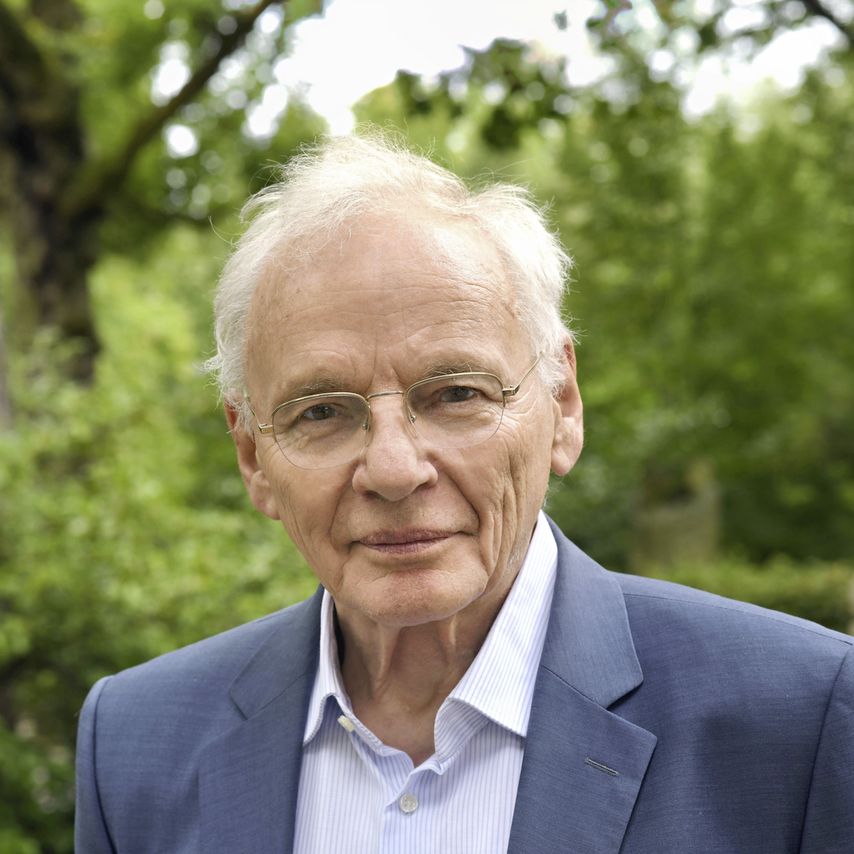
Kulturpolitischer Salon mit Götz Aly
Götz Aly zählt zu den bekanntesten Autoren zur Geschichte des Nationalsozialismus und des Holocaust. Kulturpolitischer Salon im Zentrum für verfolgte Künste mit Andreas Schäfer.



.jpg)