
Ausschreibung Verwaltungsleitung
20.8.2026

Das Museum Zentrum für verfolgte Künste sucht zum 1. Januar 2027 eine Verwaltungsleiterin/einen Verwaltungsleiter (w/m/div) in Vollzeit mit 38,5 Wochenstunden.
Das Zentrum für verfolgte Künste ist ein international tätiges Museum, das sich Künstlerinnen und Künstlern widmet, deren Entfaltungsmöglichkeiten durch die Diktaturen des 20. Jahrhunderts sowie bis in die Gegenwart durch Verfolgung, Gewalt und Terror eingeschränkt, verhindert oder zerstört wurden.
Im Mittelpunkt seiner Arbeit steht die „Bürgerstiftung für verfolgte Künste – Else-Lasker-Schüler-Zentrum – Kunstsammlung Gerhard Schneider“. Das Museum bewahrt, erforscht und vermittelt bildkünstlerische und literarische Werke, in denen sich die politischen und gesellschaftlichen Entwicklungen zwischen 1914 und 1989 spiegeln. Darüber hinaus bezieht es die darstellenden Künste – insbesondere Musik, Film, Theater und Kabarett – in seine Arbeit ein.
Getragen von der Klingenstadt Solingen und dem Landschaftsverband Rheinland arbeitet das Zentrum international und kooperiert mit Museen, Universitäten, Kunstakademien und Bildungseinrichtungen im In- und Ausland. Es initiiert Forschungsprojekte, realisiert Ausstellungen und Tagungen und versteht sich als Ort des Dialogs zwischen Zeitzeuginnen und Zeitzeugen, nachfolgenden Generationen, Wissenschaft und Öffentlichkeit.
Das Zentrum für verfolgte Künste wird als gemeinnützige GmbH geführt. Der Direktor ist zugleich Geschäftsführer. Das Museum beschäftigt derzeit zehn Mitarbeitende und verfügt über ein jährliches Finanzvolumen von rund einer Million Euro.
Die Stelle ist zunächst auf zwei Jahre befristet. Eine langfristige Zusammenarbeit und anschließende unbefristete Beschäftigung werden ausdrücklich angestrebt.
Ihre Position
Als Verwaltungsleitung sind Sie Mitglied des Leitungsteams und zentrale Ansprechperson für die administrativen und kaufmännischen Belange des Museums. Sie koordinieren die Verwaltungsprozesse des Hauses und unterstützen den Direktor und Geschäftsführer bei der Vorbereitung und Umsetzung betriebswirtschaftlicher, personeller und organisatorischer Entscheidungen. Die Entscheidungs-, Zeichnungs- und Personalverantwortung verbleibt beim Direktor und Geschäftsführer.
Ihre Aufgaben
Zu Ihren Aufgaben gehören insbesondere:
- Koordination und Weiterentwicklung der zentralen Verwaltungsabläufe des Museums
- Vorbereitung der Wirtschafts- und Haushaltsplanung sowie der laufenden Budgetkontrolle
- Erstellung und Aufbereitung von Auswertungen, Prognosen und Berichten für Geschäftsführung, Aufsichtsrat und Gesellschafter
- Vorbereitung der Finanzbuchhaltung und enge Zusammenarbeit mit der externen Steuerberatung
- Vorbereitung der Lohn- und Gehaltsabrechnung sowie Koordination der personaladministrativen Abläufe
- organisatorische und administrative Vorbereitung, Begleitung und Nachbereitung von Aufsichtsratssitzungen und Gesellschafterversammlungen gemeinsam mit dem Direktor
- administrative Begleitung von Ausstellungen, Veranstaltungen, Forschungsprojekten und universitären Lehrformaten
- Mitwirkung bei der Beantragung, Bewirtschaftung, Dokumentation und Abrechnung von Fördermitteln und Drittmittelprojekten
- administrative Begleitung und Koordination institutioneller Kooperationen mit Universitäten, Kunstakademien, Museen und weiteren Partnerinstitutionen
Ihr Profil
Sie verfügen über ausgeprägte betriebswirtschaftliche und administrative Kompetenz und verbinden analytische Präzision mit organisatorischer Souveränität. Sie arbeiten eigenverantwortlich, behalten auch in komplexen Situationen den Überblick und verstehen Verwaltung als gestaltenden Teil einer kulturellen und wissenschaftlichen Institution.
Sie bringen mit:
- ein abgeschlossenes Studium in den Bereichen Betriebswirtschaft, öffentliche Verwaltung, Kulturmanagement oder eine vergleichbare Qualifikation
- mehrjährige Berufserfahrung im kaufmännischen Bereich oder in der Verwaltung
- fundierte Kenntnisse im Finanzmanagement, in der Budgetplanung und im Controlling
- fundierte Kenntnisse im Personalwesen
- eine strukturierte, gewissenhafte, eigenverantwortliche und lösungsorientierte Arbeitsweise
- ausgeprägte Organisations- und Koordinationsfähigkeit
- Kommunikationsstärke und ein souveränes Auftreten
- eine hervorragende schriftliche und mündliche Ausdrucksfähigkeit in deutscher Sprache sowie verhandlungssichere Englischkenntnisse
- einen sicheren Umgang mit gängigen Büro-, Verwaltungs- und Kommunikationstechnologien
- Interesse an Kunst, Kultur, Wissenschaft und den gesellschaftspolitischen Themen des Museums
Wünschenswert sind
- Erfahrungen in einer Kultur-, Wissenschafts- oder Bildungseinrichtung
- Kenntnisse im Zuwendungs- und Fördermittelmanagement
- Erfahrungen in der Beantragung, Bewirtschaftung und Abrechnung von Drittmitteln
- Erfahrungen im Sponsoring oder in der Zusammenarbeit mit Stiftungen und Fördervereinen
Wir bieten Ihnen
- eine verantwortungsvolle Position als Mitglied des Leitungsteams mit unmittelbarer Nähe zur Geschäftsführung
- einen großen Gestaltungsspielraum bei der Weiterentwicklung der administrativen Strukturen des Museums
- ein engagiertes, kollegiales und interdisziplinär arbeitendes Team
- 30 Urlaubstage pro Kalenderjahr bei einer Fünftagewoche
- flexible Arbeitszeiten
- die Möglichkeit zum mobilen Arbeiten im Rahmen der dienstlichen Anforderungen
- individuelle fachliche und persönliche Fortbildungsmöglichkeiten
- eine betriebliche Altersvorsorge
- einen Arbeitsplatz am Museumsstandort in Solingen-Gräfrath
- vielfältige Kontakte zu Museen, Universitäten, Kunstakademien, Stiftungen und internationalen Partnerinstitutionen
- ein Arbeitsumfeld, das wissenschaftliche Präzision mit hoher gesellschaftlicher Relevanz verbindet
- eine langfristige berufliche Perspektive
Die Vergütung orientiert sich an der Entgeltgruppe 11 TVöD. Die konkrete Einstufung richtet sich nach Qualifikation und einschlägiger Berufserfahrung.
Vielfalt und Chancengleichheit
Vielfalt ist für das Zentrum für verfolgte Künste eine Bereicherung. Wir setzen uns aktiv für Chancengleichheit und ein wertschätzendes, diskriminierungsfreies Arbeitsumfeld ein. Wir begrüßen Bewerbungen unabhängig von Geschlecht, geschlechtlicher Identität, ethnischer oder sozialer Herkunft, Religion oder Weltanschauung, Behinderung, Alter oder sexueller Identität.
Schwerbehinderte und ihnen gleichgestellte Menschen werden bei gleicher Eignung bevorzugt berücksichtigt.
Bewerbung
Bitte senden Sie Ihre aussagekräftigen Bewerbungsunterlagen bis zum 30. September 2026 ausschließlich per E-Mail an: info@verfolgte-kuenste.de
Bitte fassen Sie Ihre Unterlagen möglichst in einer PDF-Datei zusammen. Ihre Bewerbung sollte folgende Dokumente enthalten:
- Motivations- beziehungsweise Bewerbungsschreiben in deutscher Sprache
- tabellarischer Lebenslauf in deutscher Sprache
- Nachweis des maßgeblichen Ausbildungs- oder Studienabschlusses
- relevante Arbeitszeugnisse und Qualifikationsnachweise
Bitte reichen Sie die genannten Unterlagen möglichst vollständig ein. Fehlende Nachweise können gegebenenfalls nachgefordert werden.
Für fachliche oder organisatorische Rückfragen steht Ihnen Frau Vieten vormittags unter +49 (0)212 233 747 52 zur Verfügung.
Nach Eingang Ihrer Bewerbung erhalten Sie eine Eingangsbestätigung. Nach Abschluss des Auswahlverfahrens informieren wir alle Bewerberinnen und Bewerber über dessen Ausgang.
Bitte beachten Sie, dass Reisekosten und sonstige Auslagen im Zusammenhang mit einem Vorstellungsgespräch nicht übernommen werden können.
Informationen zur Verarbeitung Ihrer personenbezogenen Daten im Bewerbungsverfahren finden Sie unter: www.verfolgte-kuenste.com/datenschutz
What’s a Rich Text element?
The rich text element allows you to create and format headings, paragraphs, blockquotes, images, and video all in one place instead of having to add and format them individually. Just double-click and easily create content.
Static and dynamic content editing
A rich text element can be used with static or dynamic content. For static content, just drop it into any page and begin editing. For dynamic content, add a rich text field to any collection and then connect a rich text element to that field in the settings panel. Voila!
How to customize formatting for each rich text
Headings, paragraphs, blockquotes, figures, images, and figure captions can all be styled after a class is added to the rich text element using the "When inside of" nested selector system.
What’s a Rich Text element?
The rich text element allows you to create and format headings, paragraphs, blockquotes, images, and video all in one place instead of having to add and format them individually. Just double-click and easily create content.
Static and dynamic content editing
A rich text element can be used with static or dynamic content. For static content, just drop it into any page and begin editing. For dynamic content, add a rich text field to any collection and then connect a rich text element to that field in the settings panel. Voila!
How to customize formatting for each rich text
Headings, paragraphs, blockquotes, figures, images, and figure captions can all be styled after a class is added to the rich text element using the "When inside of" nested selector system.
What’s a Rich Text element?
The rich text element allows you to create and format headings, paragraphs, blockquotes, images, and video all in one place instead of having to add and format them individually. Just double-click and easily create content.
Static and dynamic content editing
A rich text element can be used with static or dynamic content. For static content, just drop it into any page and begin editing. For dynamic content, add a rich text field to any collection and then connect a rich text element to that field in the settings panel. Voila!
How to customize formatting for each rich text
Headings, paragraphs, blockquotes, figures, images, and figure captions can all be styled after a class is added to the rich text element using the "When inside of" nested selector system.
What’s a Rich Text element?
The rich text element allows you to create and format headings, paragraphs, blockquotes, images, and video all in one place instead of having to add and format them individually. Just double-click and easily create content.
Static and dynamic content editing
A rich text element can be used with static or dynamic content. For static content, just drop it into any page and begin editing. For dynamic content, add a rich text field to any collection and then connect a rich text element to that field in the settings panel. Voila!
How to customize formatting for each rich text
Headings, paragraphs, blockquotes, figures, images, and figure captions can all be styled after a class is added to the rich text element using the "When inside of" nested selector system.
What’s a Rich Text element?
The rich text element allows you to create and format headings, paragraphs, blockquotes, images, and video all in one place instead of having to add and format them individually. Just double-click and easily create content.
Static and dynamic content editing
A rich text element can be used with static or dynamic content. For static content, just drop it into any page and begin editing. For dynamic content, add a rich text field to any collection and then connect a rich text element to that field in the settings panel. Voila!
How to customize formatting for each rich text
Headings, paragraphs, blockquotes, figures, images, and figure captions can all be styled after a class is added to the rich text element using the "When inside of" nested selector system.
What’s a Rich Text element?
The rich text element allows you to create and format headings, paragraphs, blockquotes, images, and video all in one place instead of having to add and format them individually. Just double-click and easily create content.
Static and dynamic content editing
A rich text element can be used with static or dynamic content. For static content, just drop it into any page and begin editing. For dynamic content, add a rich text field to any collection and then connect a rich text element to that field in the settings panel. Voila!
How to customize formatting for each rich text
Headings, paragraphs, blockquotes, figures, images, and figure captions can all be styled after a class is added to the rich text element using the "When inside of" nested selector system.
What’s a Rich Text element?
The rich text element allows you to create and format headings, paragraphs, blockquotes, images, and video all in one place instead of having to add and format them individually. Just double-click and easily create content.
Static and dynamic content editing
A rich text element can be used with static or dynamic content. For static content, just drop it into any page and begin editing. For dynamic content, add a rich text field to any collection and then connect a rich text element to that field in the settings panel. Voila!
How to customize formatting for each rich text
Headings, paragraphs, blockquotes, figures, images, and figure captions can all be styled after a class is added to the rich text element using the "When inside of" nested selector system.
What’s a Rich Text element?
The rich text element allows you to create and format headings, paragraphs, blockquotes, images, and video all in one place instead of having to add and format them individually. Just double-click and easily create content.
Static and dynamic content editing
A rich text element can be used with static or dynamic content. For static content, just drop it into any page and begin editing. For dynamic content, add a rich text field to any collection and then connect a rich text element to that field in the settings panel. Voila!
How to customize formatting for each rich text
Headings, paragraphs, blockquotes, figures, images, and figure captions can all be styled after a class is added to the rich text element using the "When inside of" nested selector system.
What’s a Rich Text element?
The rich text element allows you to create and format headings, paragraphs, blockquotes, images, and video all in one place instead of having to add and format them individually. Just double-click and easily create content.
Static and dynamic content editing
A rich text element can be used with static or dynamic content. For static content, just drop it into any page and begin editing. For dynamic content, add a rich text field to any collection and then connect a rich text element to that field in the settings panel. Voila!
How to customize formatting for each rich text
Headings, paragraphs, blockquotes, figures, images, and figure captions can all be styled after a class is added to the rich text element using the "When inside of" nested selector system.
What’s a Rich Text element?
The rich text element allows you to create and format headings, paragraphs, blockquotes, images, and video all in one place instead of having to add and format them individually. Just double-click and easily create content.
Static and dynamic content editing
A rich text element can be used with static or dynamic content. For static content, just drop it into any page and begin editing. For dynamic content, add a rich text field to any collection and then connect a rich text element to that field in the settings panel. Voila!
How to customize formatting for each rich text
Headings, paragraphs, blockquotes, figures, images, and figure captions can all be styled after a class is added to the rich text element using the "When inside of" nested selector system.
What’s a Rich Text element?
The rich text element allows you to create and format headings, paragraphs, blockquotes, images, and video all in one place instead of having to add and format them individually. Just double-click and easily create content.
Static and dynamic content editing
A rich text element can be used with static or dynamic content. For static content, just drop it into any page and begin editing. For dynamic content, add a rich text field to any collection and then connect a rich text element to that field in the settings panel. Voila!
How to customize formatting for each rich text
Headings, paragraphs, blockquotes, figures, images, and figure captions can all be styled after a class is added to the rich text element using the "When inside of" nested selector system.
What’s a Rich Text element?
The rich text element allows you to create and format headings, paragraphs, blockquotes, images, and video all in one place instead of having to add and format them individually. Just double-click and easily create content.
Static and dynamic content editing
A rich text element can be used with static or dynamic content. For static content, just drop it into any page and begin editing. For dynamic content, add a rich text field to any collection and then connect a rich text element to that field in the settings panel. Voila!
How to customize formatting for each rich text
Headings, paragraphs, blockquotes, figures, images, and figure captions can all be styled after a class is added to the rich text element using the "When inside of" nested selector system.
Materialien
Pressespiegel
Aktuelles

Wechselausstellung
:
Schicksalslinien
Der Maler Fritz Schaefler und sein Sammler Joseph Heymann
Die Ausstellung befasst sich mit den gebrochenen Biografien zweier Männer: des expressionistischen Malers und Grafikers Fritz Schaefler (1888-1954) und des rheinischen jüdischen Industriellen und Kunstsammlers Joseph Heymann (1887-1954).

Vernissage
:
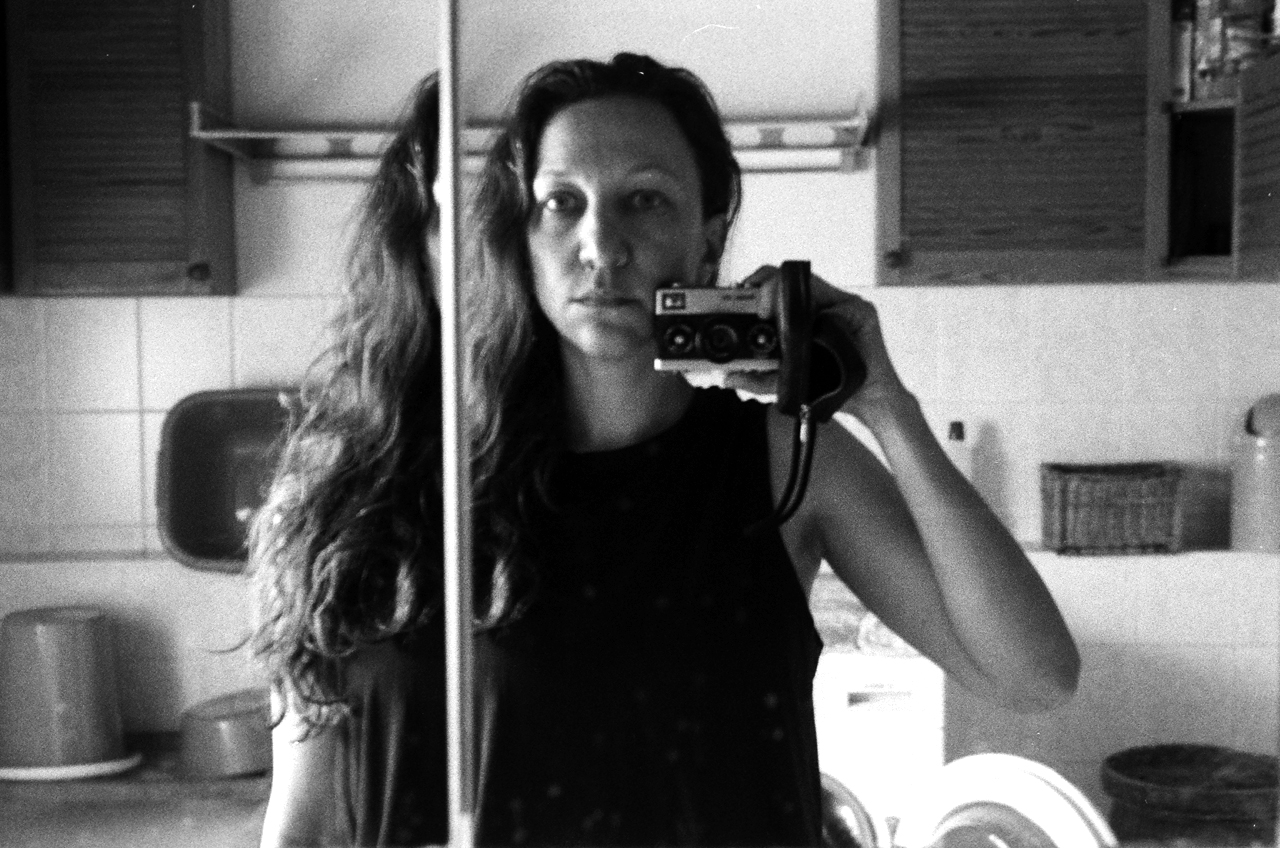
Eröffnung der Ausstellung „Lebenslinien. Über Grenzen hinweg“
Ein Kunstprojekt von Hanna Melnykova
Im Sommer 2025 wanderte Hanna Melnykova von Deutschland in die Ukraine. Das Zentrum für verfolgte Künste zeigt die fotografische Dokumentation ihres performativen Spaziergangs vom 8.10-8.11.
Gespräch
:
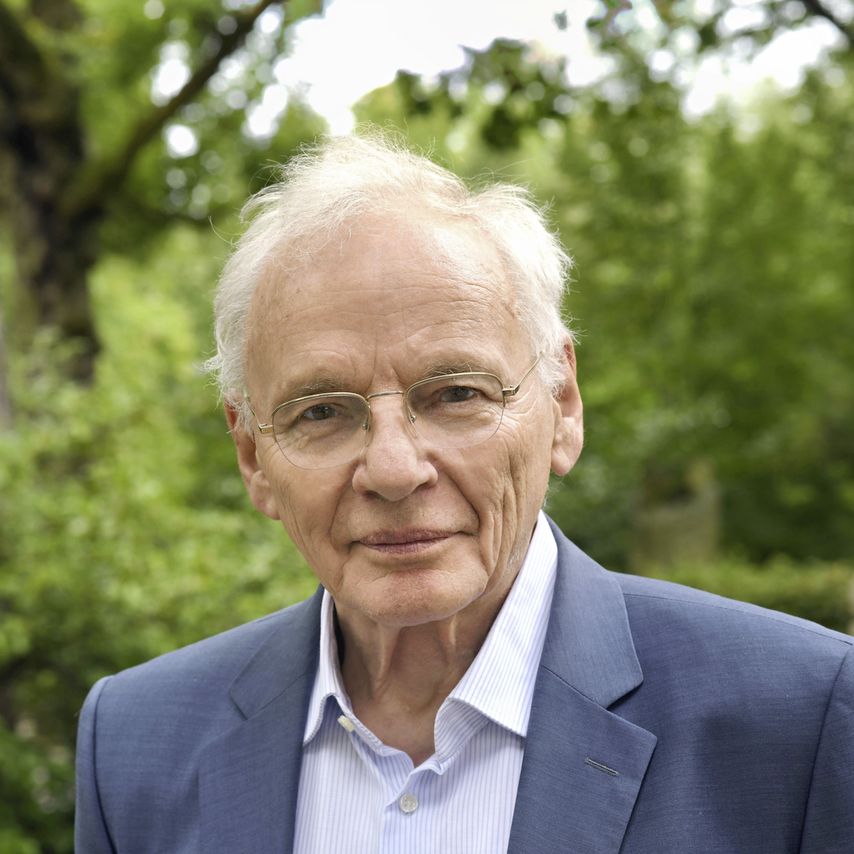
Wie konnte das geschehen?
Kulturpolitischer Salon mit Götz Aly
Götz Aly zählt zu den bekanntesten Autoren zur Geschichte des Nationalsozialismus und des Holocaust. Kulturpolitischer Salon im Zentrum für verfolgte Künste mit Andreas Schäfer.


