

Marian Ruzamski kehrt nach 100 Jahren in den Palast der Kunst zurück!
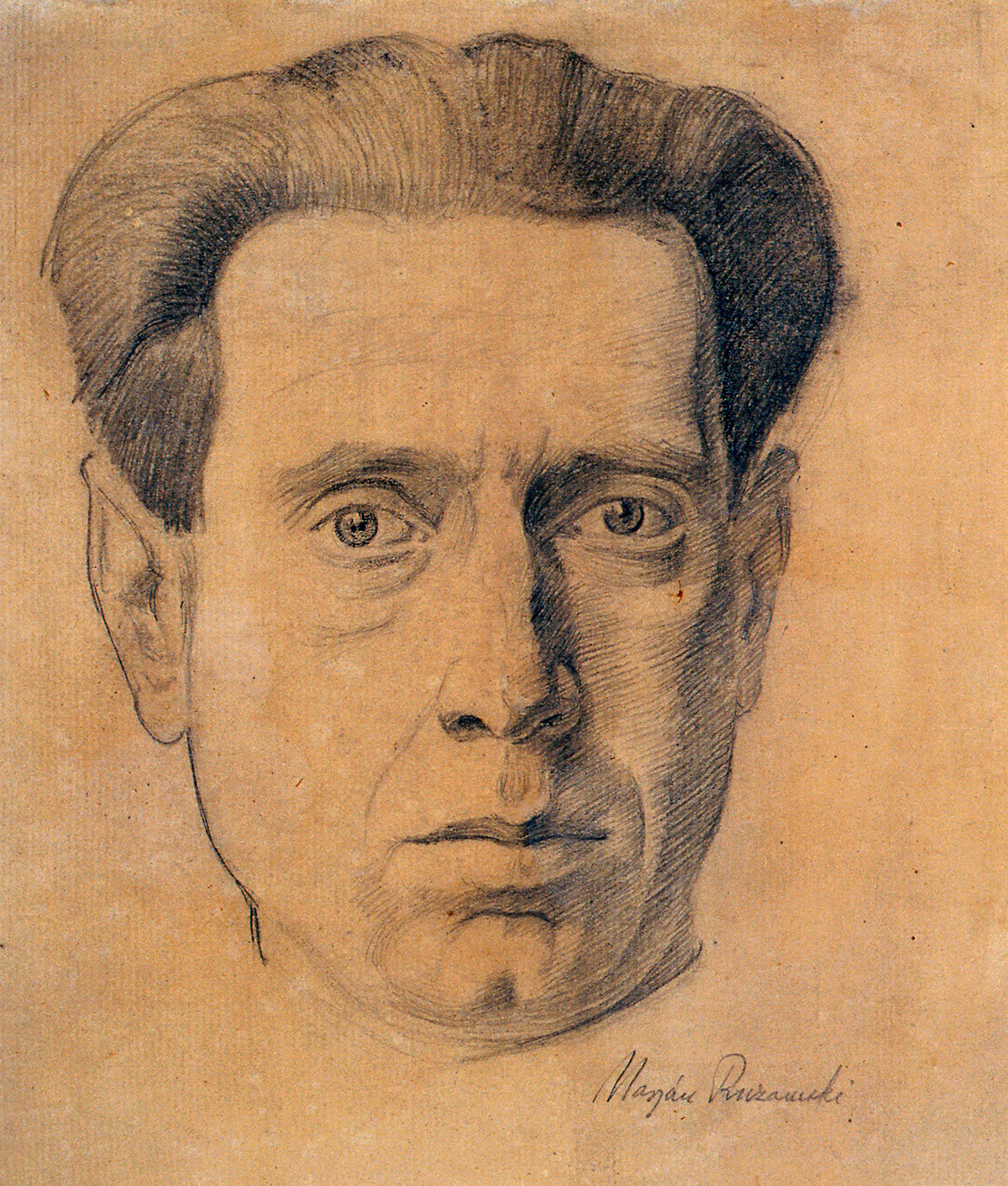
Das künstlerische Werk von Marian Ruzamski verschwand in der Katastrophe des 20. Jahrhunderts beinahe aus dem kollektiven Gedächtnis und erlebt nun eine eindrucksvolle Rückkehr. Ein Jahrhundert nach seiner letzten Präsenz in Krakau wird der Künstler wieder im Palast der Kunst geehrt.
Marian Ruzamski wurde 1889 in Lipnik bei Bielsko-Biała geboren und stammte aus einer kulturell vielfältigen Familie. Seine Mutter war eine französischstämmige Jüdin, sein Vater ein polnischer Notar. 1914 wurde er im Krakauer Palast der Kunst vom dortigen Freundeskreis mit einem Preis und einem Stipendium in Paris ausgezeichnet. Der junge, hochbegabte Künstler konnte als damaliger Bürger Österreich-Ungarns das Stipendium in Paris jedoch nicht beenden und musste als „feindlicher Ausländer“ wegen des Ausbruchs des Ersten Weltkriegs Frankreich verlassen. Nach Hause zurückgekehrt, verschleppten ihn russische Truppen nach Charkow. Aus den Wirren der Russischen Revolution kehrte er schwer traumatisiert in den jetzt freien jungen polnischen Staat zurück. Während der deutschen Besatzung Polens im Zweiten Weltkrieg wurde Ruzamski 1943 als Jude und Homosexueller denunziert, von den Nationalsozialisten nach Auschwitz deportiert und später nach Bergen-Belsen verschleppt, wo er am 8. März 1945 kurz vor Kriegsende starb.
Doch obwohl Ruzamskis Leben von Krieg, Verfolgung und Gewalt überschattet war, erzählen seine Werke eine andere Geschichte. Seine Bilder sind geprägt von einer tiefen Humanität, von Szenen des Alltags und einer fast schwebenden Leichtigkeit – als würde ein anderes, friedliches Jahrhundert an uns vorüberziehen. Es sind poetische, eindringliche Bilder, die an sommerliche Landschaften erinnern, nicht an Terror und Zerstörung.
Über 130 Kunstwerke aus allen Schaffensphasen Ruzamskis werden nun nach der Erstpräsentation in Solingen in einer großen Gesamtschau in Krakau gezeigt: von den frühesten Zeichnungen aus seinem Kunststudium an der Akademie der Künste in Krakau bei Jacek Malczewski, über Arbeiten aus der Gefangenschaft während des Ersten Weltkriegs, Werke aus der Zwischenkriegszeit bis hin zu den erschütternden Porträts, die Ruzamski im Lager-Krankenbau des Konzentrationslagers Auschwitz schuf – die von ihm so betitelte „Auschwitz-Mappe“. Diese 47 Porträts, entstanden unter unmenschlichsten Bedingungen, stehen als Mahnmal der Kunst gegen die Barbarei und bilden den tragischen Höhepunkt seines Werks – ein polnisches Guernica, ein Denkmal gegen das Vergessen.
Die Ausstellung entstand in Zusammenarbeit mit dem Schlossmuseum in Tarnobrzeg und dem Staatlichen Museum Auschwitz-Birkenau und wird unterstützt von der Stiftung für deutsch-polnische Zusammenarbeit, der Gerd-Kaimer-Bürgerstiftung Solingen sowie dem Auswärtigen Amt der Bundesrepublik Deutschland. Der Stadtpräsident von Krakau, Aleksander Miszalski, und der Deutsche Generalkonsul Holger Mahnicke haben die Schirmherrschaft übernommen.
Initiator der Ausstellung war der Zeitzeuge und Auschwitz-Überlebende Marian Turski, der am 18. Februar 2025 verstorben ist. Ihm, der sich zeitlebens gegen das Vergessen und für die Erinnerung an die Opfer von Auschwitz engagiert hat, ist diese Ausstellung gewidmet.
Die Ausstellung wird im Palast der Kunst von Ina Brandes, Ministerin für Kultur und Wissenschaft des Landes Nordrhein-Westfalen, am 9. April 2026, 18:00 Uhr, eröffnet.
Ein zweisprachiger deutsch-polnischer Katalog begleitet die Ausstellung und dokumentiert umfassend Ruzamskis Leben und Werk.

What’s a Rich Text element?
The rich text element allows you to create and format headings, paragraphs, blockquotes, images, and video all in one place instead of having to add and format them individually. Just double-click and easily create content.
Static and dynamic content editing
A rich text element can be used with static or dynamic content. For static content, just drop it into any page and begin editing. For dynamic content, add a rich text field to any collection and then connect a rich text element to that field in the settings panel. Voila!
How to customize formatting for each rich text
Headings, paragraphs, blockquotes, figures, images, and figure captions can all be styled after a class is added to the rich text element using the "When inside of" nested selector system.
What’s a Rich Text element?
The rich text element allows you to create and format headings, paragraphs, blockquotes, images, and video all in one place instead of having to add and format them individually. Just double-click and easily create content.
Static and dynamic content editing
A rich text element can be used with static or dynamic content. For static content, just drop it into any page and begin editing. For dynamic content, add a rich text field to any collection and then connect a rich text element to that field in the settings panel. Voila!
How to customize formatting for each rich text
Headings, paragraphs, blockquotes, figures, images, and figure captions can all be styled after a class is added to the rich text element using the "When inside of" nested selector system.
What’s a Rich Text element?
The rich text element allows you to create and format headings, paragraphs, blockquotes, images, and video all in one place instead of having to add and format them individually. Just double-click and easily create content.
Static and dynamic content editing
A rich text element can be used with static or dynamic content. For static content, just drop it into any page and begin editing. For dynamic content, add a rich text field to any collection and then connect a rich text element to that field in the settings panel. Voila!
How to customize formatting for each rich text
Headings, paragraphs, blockquotes, figures, images, and figure captions can all be styled after a class is added to the rich text element using the "When inside of" nested selector system.
What’s a Rich Text element?
The rich text element allows you to create and format headings, paragraphs, blockquotes, images, and video all in one place instead of having to add and format them individually. Just double-click and easily create content.
Static and dynamic content editing
A rich text element can be used with static or dynamic content. For static content, just drop it into any page and begin editing. For dynamic content, add a rich text field to any collection and then connect a rich text element to that field in the settings panel. Voila!
How to customize formatting for each rich text
Headings, paragraphs, blockquotes, figures, images, and figure captions can all be styled after a class is added to the rich text element using the "When inside of" nested selector system.
What’s a Rich Text element?
The rich text element allows you to create and format headings, paragraphs, blockquotes, images, and video all in one place instead of having to add and format them individually. Just double-click and easily create content.
Static and dynamic content editing
A rich text element can be used with static or dynamic content. For static content, just drop it into any page and begin editing. For dynamic content, add a rich text field to any collection and then connect a rich text element to that field in the settings panel. Voila!
How to customize formatting for each rich text
Headings, paragraphs, blockquotes, figures, images, and figure captions can all be styled after a class is added to the rich text element using the "When inside of" nested selector system.
What’s a Rich Text element?
The rich text element allows you to create and format headings, paragraphs, blockquotes, images, and video all in one place instead of having to add and format them individually. Just double-click and easily create content.
Static and dynamic content editing
A rich text element can be used with static or dynamic content. For static content, just drop it into any page and begin editing. For dynamic content, add a rich text field to any collection and then connect a rich text element to that field in the settings panel. Voila!
How to customize formatting for each rich text
Headings, paragraphs, blockquotes, figures, images, and figure captions can all be styled after a class is added to the rich text element using the "When inside of" nested selector system.
What’s a Rich Text element?
The rich text element allows you to create and format headings, paragraphs, blockquotes, images, and video all in one place instead of having to add and format them individually. Just double-click and easily create content.
Static and dynamic content editing
A rich text element can be used with static or dynamic content. For static content, just drop it into any page and begin editing. For dynamic content, add a rich text field to any collection and then connect a rich text element to that field in the settings panel. Voila!
How to customize formatting for each rich text
Headings, paragraphs, blockquotes, figures, images, and figure captions can all be styled after a class is added to the rich text element using the "When inside of" nested selector system.
What’s a Rich Text element?
The rich text element allows you to create and format headings, paragraphs, blockquotes, images, and video all in one place instead of having to add and format them individually. Just double-click and easily create content.
Static and dynamic content editing
A rich text element can be used with static or dynamic content. For static content, just drop it into any page and begin editing. For dynamic content, add a rich text field to any collection and then connect a rich text element to that field in the settings panel. Voila!
How to customize formatting for each rich text
Headings, paragraphs, blockquotes, figures, images, and figure captions can all be styled after a class is added to the rich text element using the "When inside of" nested selector system.
What’s a Rich Text element?
The rich text element allows you to create and format headings, paragraphs, blockquotes, images, and video all in one place instead of having to add and format them individually. Just double-click and easily create content.
Static and dynamic content editing
A rich text element can be used with static or dynamic content. For static content, just drop it into any page and begin editing. For dynamic content, add a rich text field to any collection and then connect a rich text element to that field in the settings panel. Voila!
How to customize formatting for each rich text
Headings, paragraphs, blockquotes, figures, images, and figure captions can all be styled after a class is added to the rich text element using the "When inside of" nested selector system.
What’s a Rich Text element?
The rich text element allows you to create and format headings, paragraphs, blockquotes, images, and video all in one place instead of having to add and format them individually. Just double-click and easily create content.
Static and dynamic content editing
A rich text element can be used with static or dynamic content. For static content, just drop it into any page and begin editing. For dynamic content, add a rich text field to any collection and then connect a rich text element to that field in the settings panel. Voila!
How to customize formatting for each rich text
Headings, paragraphs, blockquotes, figures, images, and figure captions can all be styled after a class is added to the rich text element using the "When inside of" nested selector system.
What’s a Rich Text element?
The rich text element allows you to create and format headings, paragraphs, blockquotes, images, and video all in one place instead of having to add and format them individually. Just double-click and easily create content.
Static and dynamic content editing
A rich text element can be used with static or dynamic content. For static content, just drop it into any page and begin editing. For dynamic content, add a rich text field to any collection and then connect a rich text element to that field in the settings panel. Voila!
How to customize formatting for each rich text
Headings, paragraphs, blockquotes, figures, images, and figure captions can all be styled after a class is added to the rich text element using the "When inside of" nested selector system.
What’s a Rich Text element?
The rich text element allows you to create and format headings, paragraphs, blockquotes, images, and video all in one place instead of having to add and format them individually. Just double-click and easily create content.
Static and dynamic content editing
A rich text element can be used with static or dynamic content. For static content, just drop it into any page and begin editing. For dynamic content, add a rich text field to any collection and then connect a rich text element to that field in the settings panel. Voila!
How to customize formatting for each rich text
Headings, paragraphs, blockquotes, figures, images, and figure captions can all be styled after a class is added to the rich text element using the "When inside of" nested selector system.
%20Krak%C3%B3w%201914_s.jpg)
Pressespiegel
Wechselausstellung
:
Schicksalslinien
Der Maler Fritz Schaefler und sein Sammler Joseph Heymann
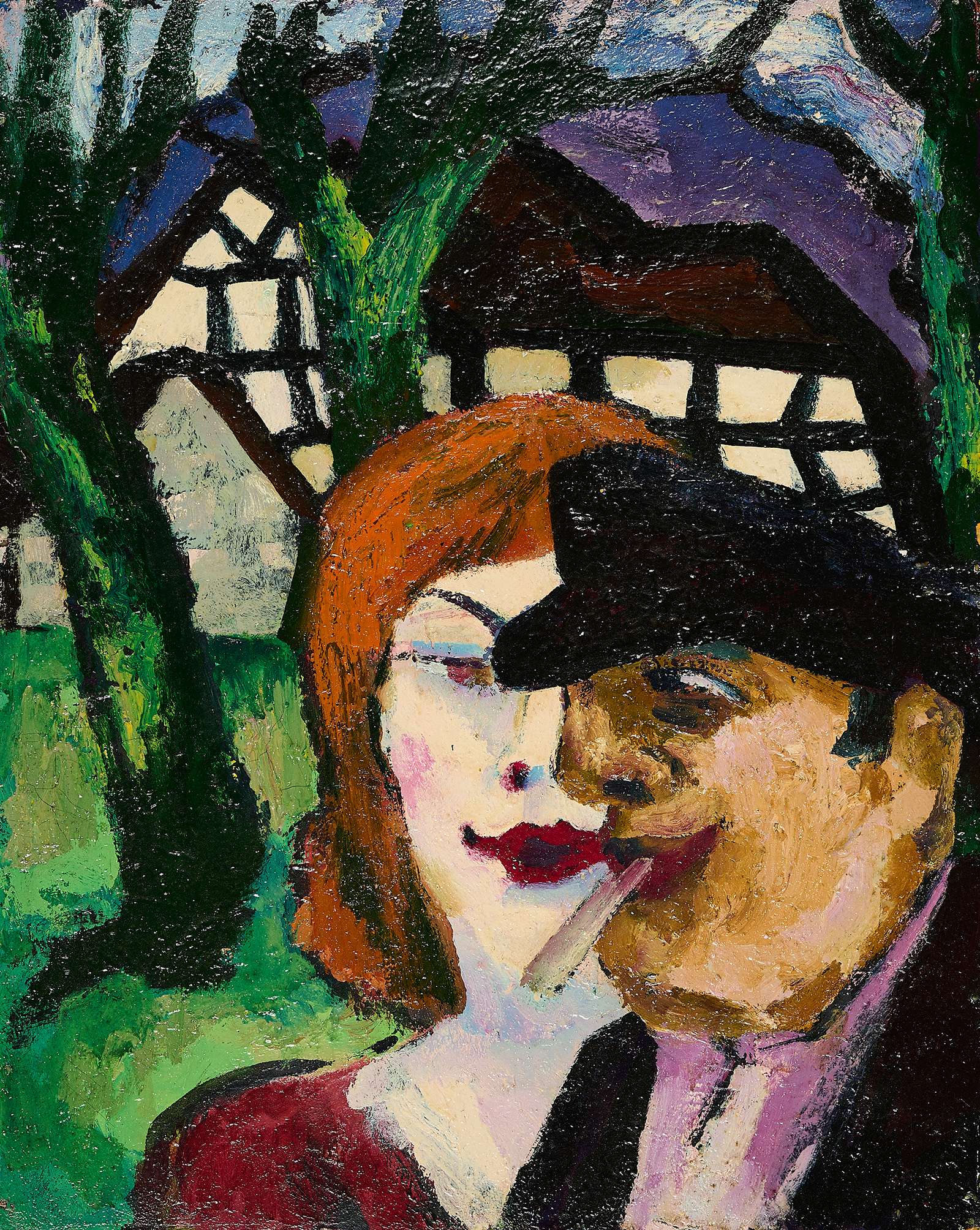
Die Ausstellung befasst sich mit den gebrochenen Biografien zweier Männer: des expressionistischen Malers und Grafikers Fritz Schaefler (1888-1954) und des rheinischen jüdischen Industriellen und Kunstsammlers Joseph Heymann (1887-1954).

Inszenierung
:
BLIND
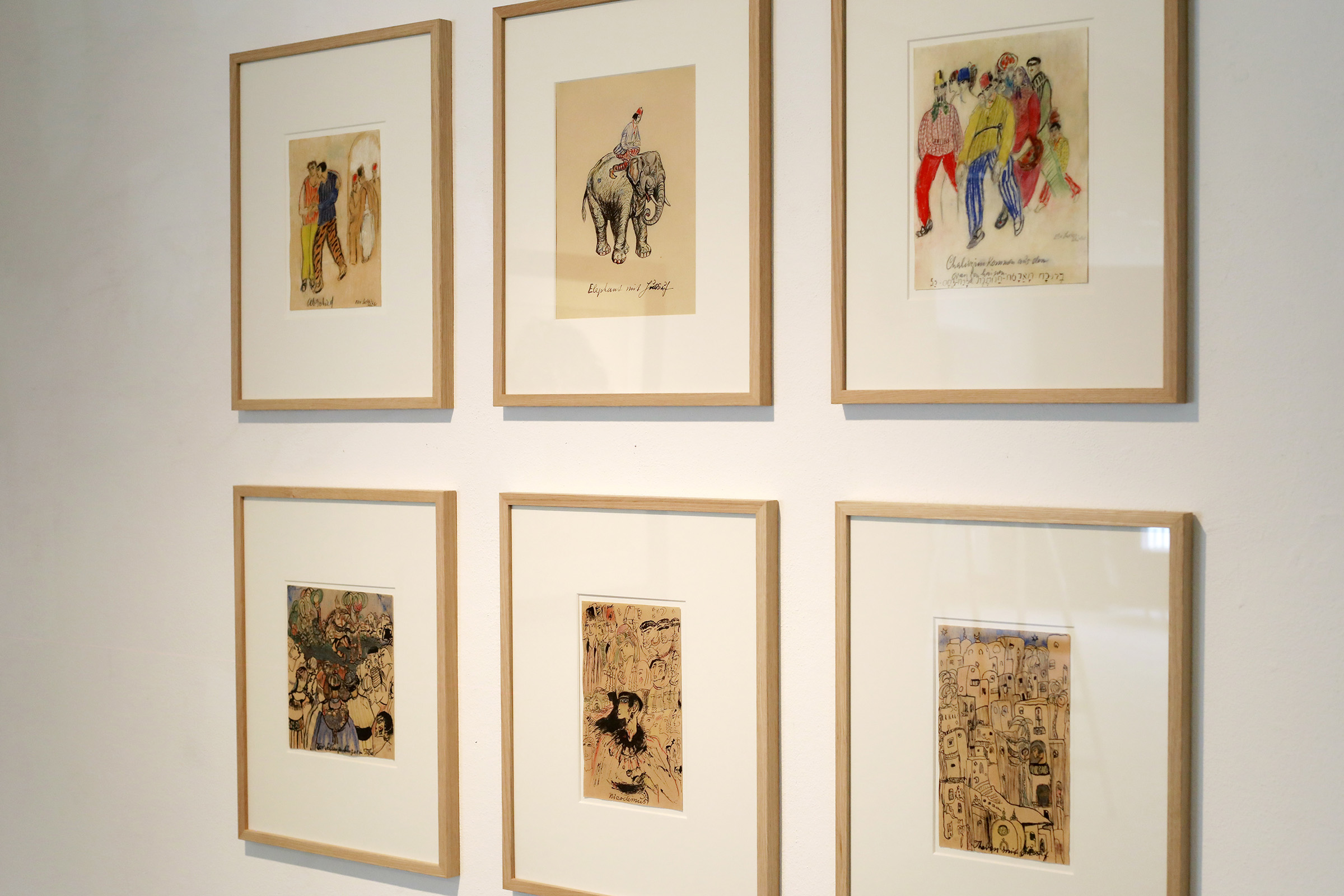
Sensorische Inszenierung mit Texten von Else Lasker-Schüler
Die Else Lasker-Schüler-Gesellschaft präsentiert ein Projekt der Akademie für Film- und Medienkunst in Wuppertal.
Gespräch
:
Wie konnte das geschehen?
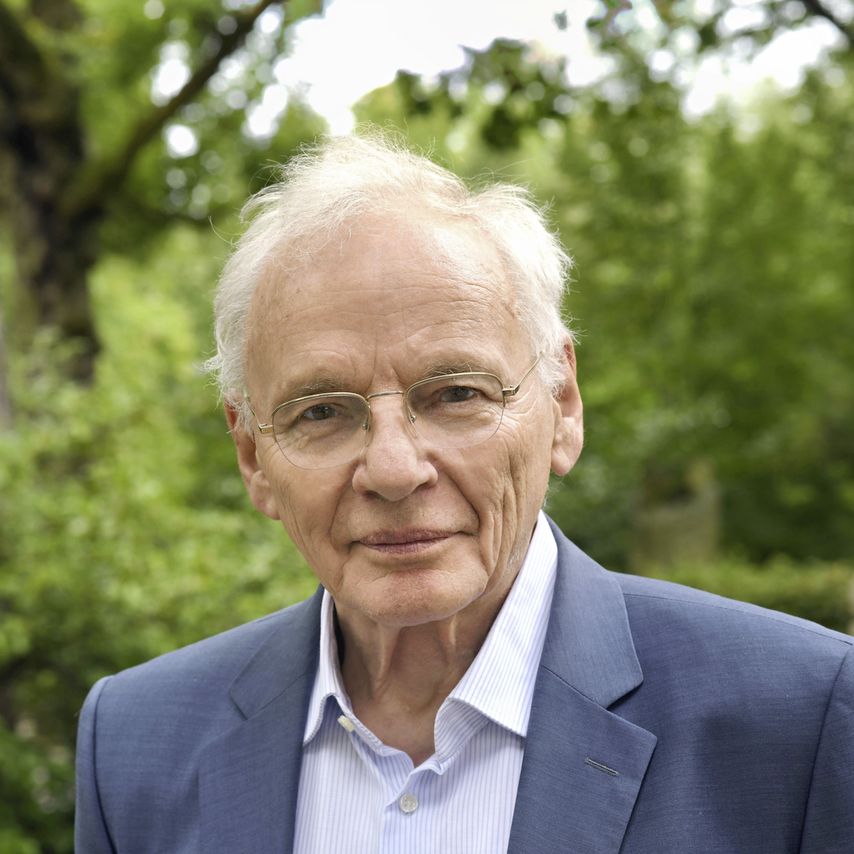
Kulturpolitischer Salon mit Götz Aly
Götz Aly zählt zu den bekanntesten Autoren zur Geschichte des Nationalsozialismus und des Holocaust. Kulturpolitischer Salon im Zentrum für verfolgte Künste mit Andreas Schäfer.


