2022 has that Center for Persecuted Arts together with documenta archive the exhibition “1929/1955. The oblivion of a generation of artists” shown in Solingen. The exhibition, which was well attended and discussed many times, was the start of a research project. The Documenta Archive meeting in Kassel from 30.11.—2.12.2023 is now the next phase of the project.
At the conference, the questions about Solingen were addressed, but they were made much more broadly and discussed with experts. Two and a half exciting days full of discussions about art, forgetting, starting over after the war and repressing guilt. Basically, it was about the question: “What do we actually mean when we talk about the canon in modern art? Why are certain artistic positions included as a matter of course, while other works are lost sight of?
The documenta exhibitions have actively contributed to the process of canonization, promoted careers in the exhibition business, helped determine the purchasing policies of public collections, but also contributed to the marginalization of individual biographies or artistic groups. The conference “IN|OUT” is dedicated to the complex mechanisms of selection in the context of the first documenta (1955). The room includes curatorial decision-making processes, art theory, individual quality assessments and personal networks, as well as economic interests and constraints. At the same time, it is important to question the methodological and social relevance of the canon concept. ”
From the team of Center for Persecuted Arts took part Vanessa Arndt, Marielena Buonaiuto and Hanna Sauer with the Presentation “Moments and potential of rediscovery using the example of Cesar Klein (1876—1954)” at the meeting:
Using César Klein as an example, the presentation will focus on which moments and potential of rediscovery can be identified retrospectively on the basis of Klein's biography and reception. His work pervades the visual arts of the Weimar Republic and shaped areas of applied art with building-related works of art as well as stage and costume design work as well as film scenography for Robert Wiene and Mihály Kertész. During his lifetime, Klein took part in exhibitions organized by the Sonderbund in Cologne (1912) and in the Fourth Great Art Exhibition (1929) Arnold Bodes in Kassel, was a member of the German Werkbund and the November Group and had solo exhibitions at the Gurlitt Gallery (1918 and 1922) or in the Hanoverian Kestner Society (1921).
As part of the National Socialist campaign “Degenerate Art,” eight of Klein's works were confiscated and his head of Christ defamed in the 1937 exhibition of the same name. A large part of his building-style wall paintings and interior decoration was destroyed during the Second World War. With regard to canonization processes, the question is which works of Klein are still preserved today and to what extent the destruction of part of his diverse areas of work influences the current perception of his work. Does César Klein's cross-genre work even elude the classical canon of art history in view of its strong artistic orientation? Were there initial moments of rediscovery or was he never really forgotten in sub-disciplines such as theatre? What factors could have played a role in making César Klein less visible in today's consciousness after 1945?

Dr. Jürgen Joseph Kaumkötter spoke about “Felix Nussbaum. The Return of the Forgotten”
The most famous events of the persecution of art under the Nazi regime are the exhibition Degenerate art and the confiscations of the same name in German museums. These actions affected all artists, including those who identified themselves with the Nazi regime. For the young modern artists, who were around 30 years old in 1933 and who were just beginning to establish themselves in the art landscape, the persecution by the Nazi regime still had a tragic echo. Excluded by Nazi cultural policy after 1933, they were often unable to build on their early successes in the outgoing Weimar Republic after 1945. And as a result, almost an entire generation of artists fell into oblivion.
A concise example of this phenomenon is the fate of the artist Felix Nussbaum. At first glance, it seems clear why he was forgotten. After 1945, his complete works were kept in hidden depots in Brussels. He himself was murdered in Auschwitz at the end of 1944. His family also no longer existed after the Holocaust. Only two cousins survived. Forgetting seemed logical. But it is not that simple. On closer inspection, you can see that artist friends were looking for him in museums in Belgium and the Netherlands as early as 1945. In 1955, there was the first exhibition in his native city of Osnabrück. It is surprising that — in all the evocations of a connection to the culture of before 1933 — walnut no longer played a role in post-war Germany. After all, he was a celebrated young artist at the end of the Weimar Republic. Arnold Bode knew him from an exhibition in Kassel in 1929. Based on Nussbaum's specific story of rediscovery, we can ask the general question of whether there wasn't a structure of conscious forgetting in art museums and exhibitions in the post-war period.
Conference program:
What’s a Rich Text element?
The rich text element allows you to create and format headings, paragraphs, blockquotes, images, and video all in one place instead of having to add and format them individually. Just double-click and easily create content.
Static and dynamic content editing
A rich text element can be used with static or dynamic content. For static content, just drop it into any page and begin editing. For dynamic content, add a rich text field to any collection and then connect a rich text element to that field in the settings panel. Voila!
How to customize formatting for each rich text
Headings, paragraphs, blockquotes, figures, images, and figure captions can all be styled after a class is added to the rich text element using the "When inside of" nested selector system.
What’s a Rich Text element?
The rich text element allows you to create and format headings, paragraphs, blockquotes, images, and video all in one place instead of having to add and format them individually. Just double-click and easily create content.
Static and dynamic content editing
A rich text element can be used with static or dynamic content. For static content, just drop it into any page and begin editing. For dynamic content, add a rich text field to any collection and then connect a rich text element to that field in the settings panel. Voila!
How to customize formatting for each rich text
Headings, paragraphs, blockquotes, figures, images, and figure captions can all be styled after a class is added to the rich text element using the "When inside of" nested selector system.
What’s a Rich Text element?
The rich text element allows you to create and format headings, paragraphs, blockquotes, images, and video all in one place instead of having to add and format them individually. Just double-click and easily create content.
Static and dynamic content editing
A rich text element can be used with static or dynamic content. For static content, just drop it into any page and begin editing. For dynamic content, add a rich text field to any collection and then connect a rich text element to that field in the settings panel. Voila!
How to customize formatting for each rich text
Headings, paragraphs, blockquotes, figures, images, and figure captions can all be styled after a class is added to the rich text element using the "When inside of" nested selector system.
What’s a Rich Text element?
The rich text element allows you to create and format headings, paragraphs, blockquotes, images, and video all in one place instead of having to add and format them individually. Just double-click and easily create content.
Static and dynamic content editing
A rich text element can be used with static or dynamic content. For static content, just drop it into any page and begin editing. For dynamic content, add a rich text field to any collection and then connect a rich text element to that field in the settings panel. Voila!
How to customize formatting for each rich text
Headings, paragraphs, blockquotes, figures, images, and figure captions can all be styled after a class is added to the rich text element using the "When inside of" nested selector system.
What’s a Rich Text element?
The rich text element allows you to create and format headings, paragraphs, blockquotes, images, and video all in one place instead of having to add and format them individually. Just double-click and easily create content.
Static and dynamic content editing
A rich text element can be used with static or dynamic content. For static content, just drop it into any page and begin editing. For dynamic content, add a rich text field to any collection and then connect a rich text element to that field in the settings panel. Voila!
How to customize formatting for each rich text
Headings, paragraphs, blockquotes, figures, images, and figure captions can all be styled after a class is added to the rich text element using the "When inside of" nested selector system.
What’s a Rich Text element?
The rich text element allows you to create and format headings, paragraphs, blockquotes, images, and video all in one place instead of having to add and format them individually. Just double-click and easily create content.
Static and dynamic content editing
A rich text element can be used with static or dynamic content. For static content, just drop it into any page and begin editing. For dynamic content, add a rich text field to any collection and then connect a rich text element to that field in the settings panel. Voila!
How to customize formatting for each rich text
Headings, paragraphs, blockquotes, figures, images, and figure captions can all be styled after a class is added to the rich text element using the "When inside of" nested selector system.
What’s a Rich Text element?
The rich text element allows you to create and format headings, paragraphs, blockquotes, images, and video all in one place instead of having to add and format them individually. Just double-click and easily create content.
Static and dynamic content editing
A rich text element can be used with static or dynamic content. For static content, just drop it into any page and begin editing. For dynamic content, add a rich text field to any collection and then connect a rich text element to that field in the settings panel. Voila!
How to customize formatting for each rich text
Headings, paragraphs, blockquotes, figures, images, and figure captions can all be styled after a class is added to the rich text element using the "When inside of" nested selector system.
What’s a Rich Text element?
The rich text element allows you to create and format headings, paragraphs, blockquotes, images, and video all in one place instead of having to add and format them individually. Just double-click and easily create content.
Static and dynamic content editing
A rich text element can be used with static or dynamic content. For static content, just drop it into any page and begin editing. For dynamic content, add a rich text field to any collection and then connect a rich text element to that field in the settings panel. Voila!
How to customize formatting for each rich text
Headings, paragraphs, blockquotes, figures, images, and figure captions can all be styled after a class is added to the rich text element using the "When inside of" nested selector system.
What’s a Rich Text element?
The rich text element allows you to create and format headings, paragraphs, blockquotes, images, and video all in one place instead of having to add and format them individually. Just double-click and easily create content.
Static and dynamic content editing
A rich text element can be used with static or dynamic content. For static content, just drop it into any page and begin editing. For dynamic content, add a rich text field to any collection and then connect a rich text element to that field in the settings panel. Voila!
How to customize formatting for each rich text
Headings, paragraphs, blockquotes, figures, images, and figure captions can all be styled after a class is added to the rich text element using the "When inside of" nested selector system.
What’s a Rich Text element?
The rich text element allows you to create and format headings, paragraphs, blockquotes, images, and video all in one place instead of having to add and format them individually. Just double-click and easily create content.
Static and dynamic content editing
A rich text element can be used with static or dynamic content. For static content, just drop it into any page and begin editing. For dynamic content, add a rich text field to any collection and then connect a rich text element to that field in the settings panel. Voila!
How to customize formatting for each rich text
Headings, paragraphs, blockquotes, figures, images, and figure captions can all be styled after a class is added to the rich text element using the "When inside of" nested selector system.
What’s a Rich Text element?
The rich text element allows you to create and format headings, paragraphs, blockquotes, images, and video all in one place instead of having to add and format them individually. Just double-click and easily create content.
Static and dynamic content editing
A rich text element can be used with static or dynamic content. For static content, just drop it into any page and begin editing. For dynamic content, add a rich text field to any collection and then connect a rich text element to that field in the settings panel. Voila!
How to customize formatting for each rich text
Headings, paragraphs, blockquotes, figures, images, and figure captions can all be styled after a class is added to the rich text element using the "When inside of" nested selector system.
What’s a Rich Text element?
The rich text element allows you to create and format headings, paragraphs, blockquotes, images, and video all in one place instead of having to add and format them individually. Just double-click and easily create content.
Static and dynamic content editing
A rich text element can be used with static or dynamic content. For static content, just drop it into any page and begin editing. For dynamic content, add a rich text field to any collection and then connect a rich text element to that field in the settings panel. Voila!
How to customize formatting for each rich text
Headings, paragraphs, blockquotes, figures, images, and figure captions can all be styled after a class is added to the rich text element using the "When inside of" nested selector system.


Pressespiegel

Wechselausstellung
:
Lines of Destiny
The painter Fritz Schaefler and his collector Joseph Heymann
The exhibition explores the fractured biographies of two men: the Expressionist painter and graphic artist Fritz Schaefler (1888-1954) and the Rheinland Jewish industrialist and art collector Joseph Heymann (1887-1954).


Führung
:
Öffentliche Sonntagsführung in der Dauerausstellung
Eine Entdeckungsreise durch unsere Sammlung
Im Zentrum für verfolgte Künste können Sie Künstler:innen entdecken, die über die letzten Jahrzehnte in Vergessenheit geraten sind.
colloquy
:
How could that happen?
Cultural Policy Salon with Götz Aly
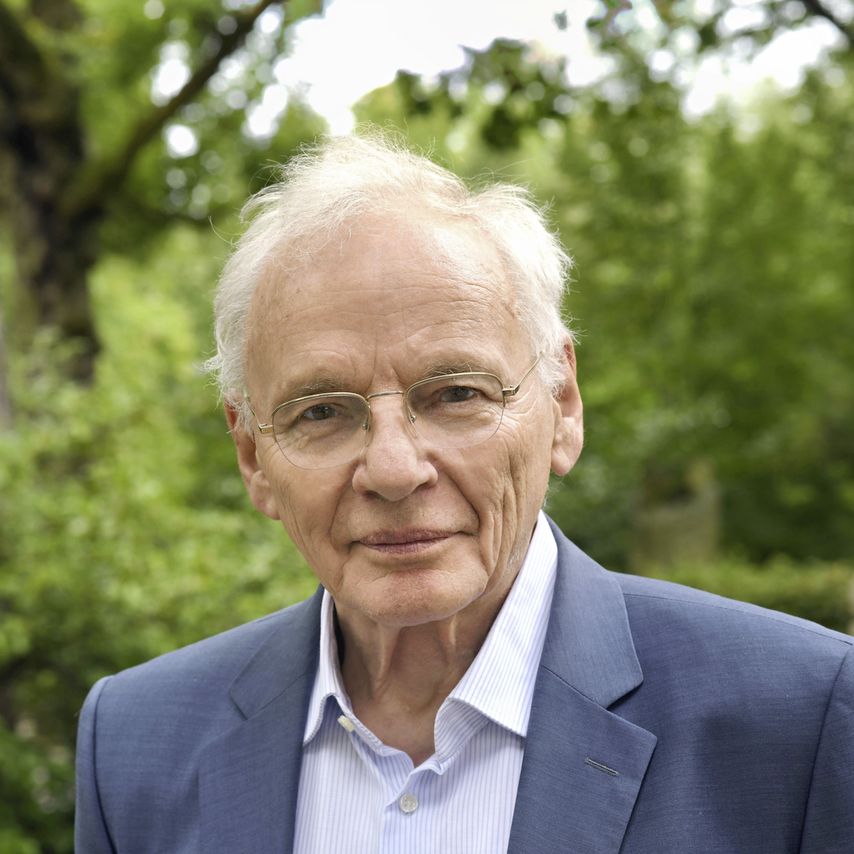
Götz Aly is one of the most famous authors on the history of National Socialism and the Holocaust. Cultural Policy Salon at the Center for Persecuted Arts with Andreas Schäfer.



.jpg)