

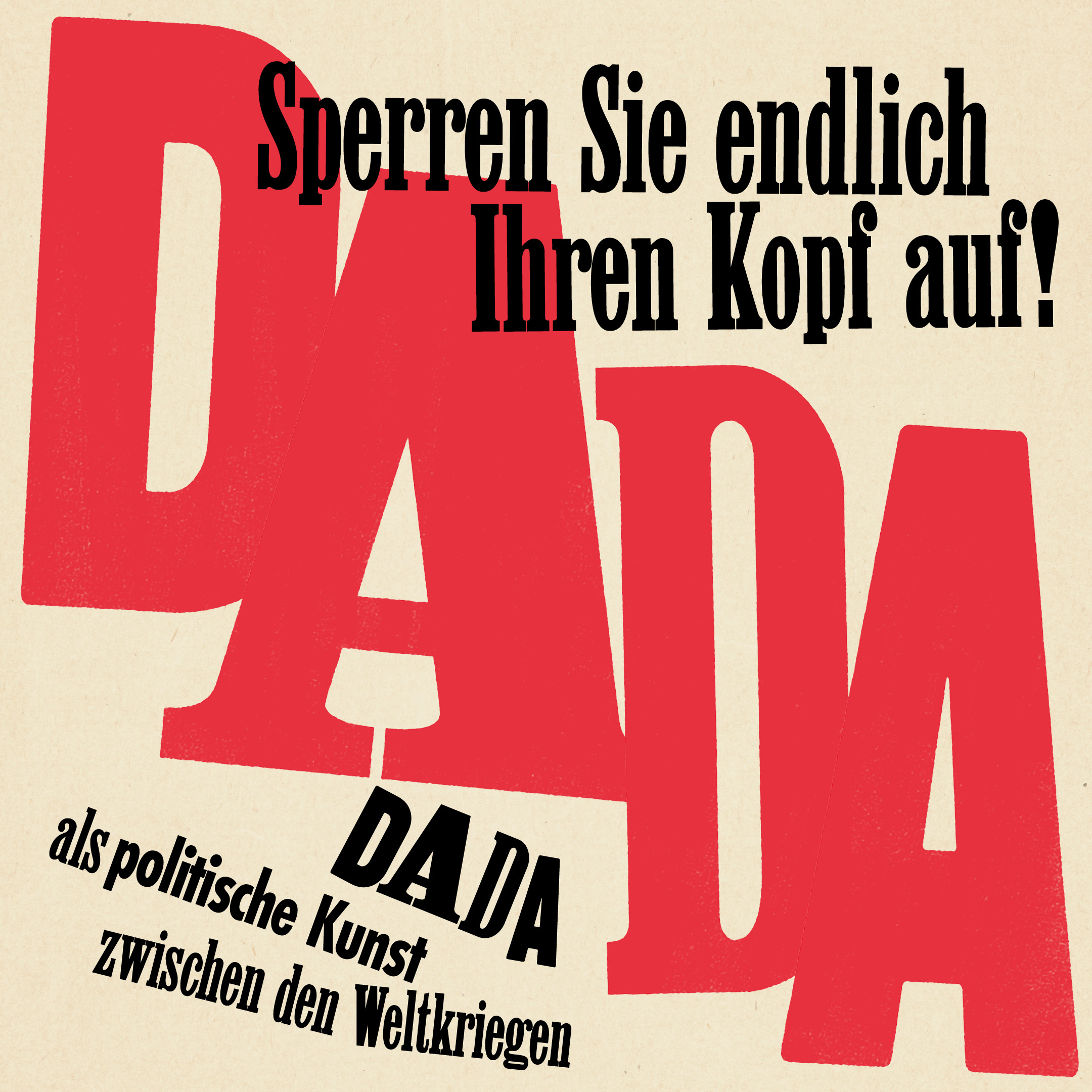
Vernissage „Unlock your heads at last!“ Dada as Political Art Between the World Wars, poto: Daniela Tobias


Material
Pressespiegel
11/26/26
—
2/14/27
Wechselausstellung
:
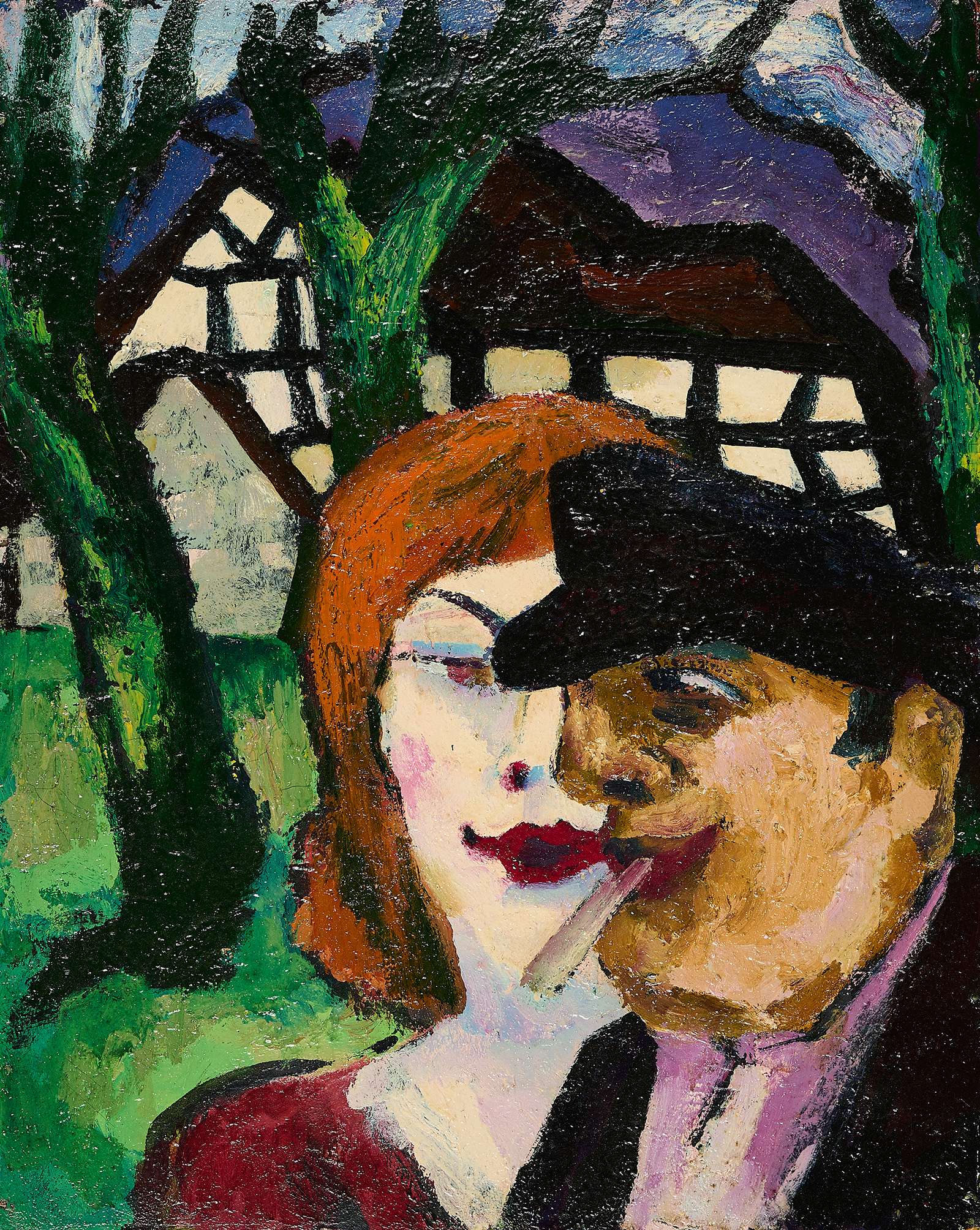
Lines of Destiny
The painter Fritz Schaefler and his collector Joseph Heymann
The exhibition explores the fractured biographies of two men: the Expressionist painter and graphic artist Fritz Schaefler (1888-1954) and the Rheinland Jewish industrialist and art collector Joseph Heymann (1887-1954).

Learn more
10/1/26
—
Inszenierung
:
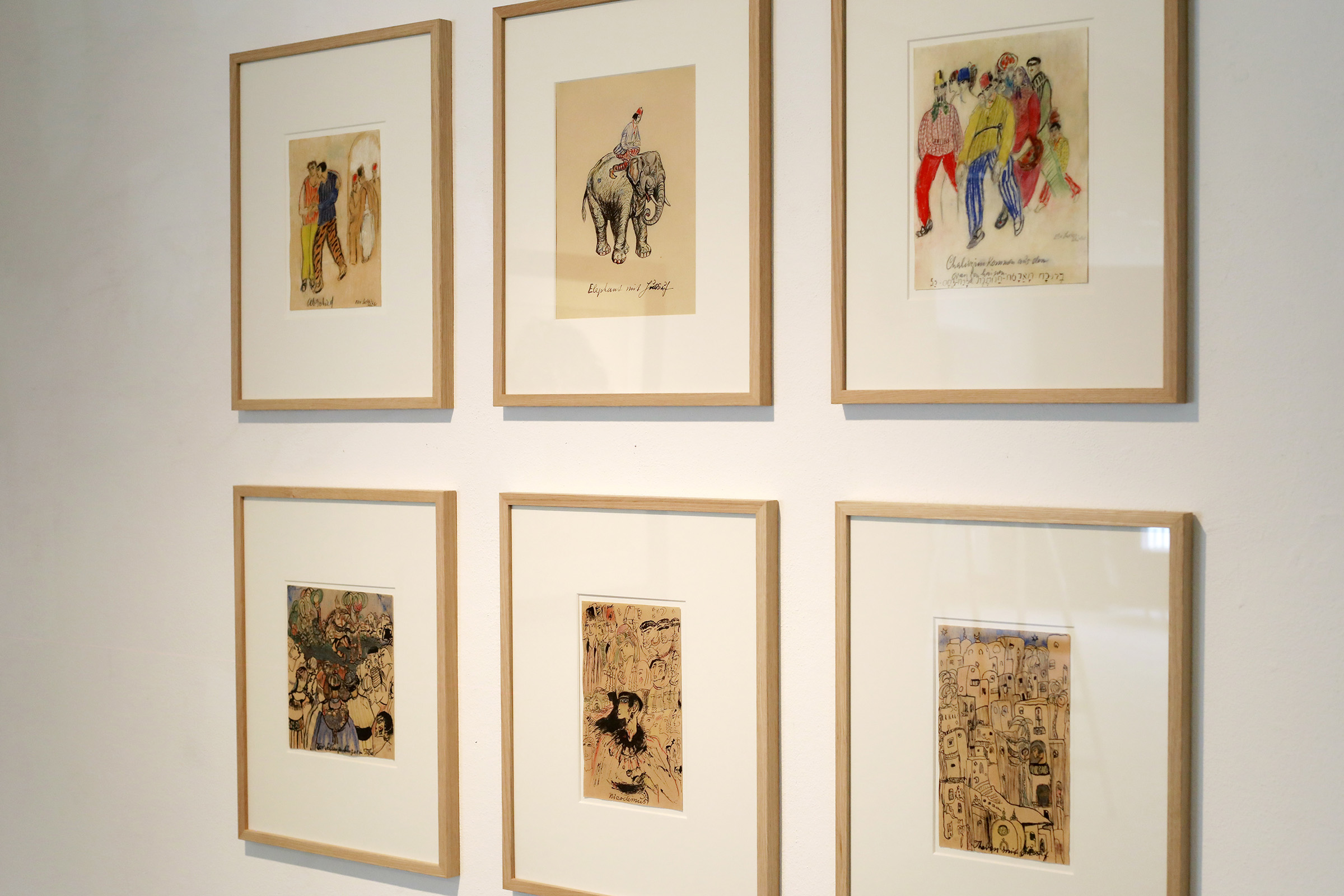
BLIND
Sensorische Inszenierung mit Texten von Else Lasker-Schüler
Die Else Lasker-Schüler-Gesellschaft präsentiert ein Projekt der Akademie für Film- und Medienkunst in Wuppertal.
Learn more
10/8/26
—
Vernissage
:
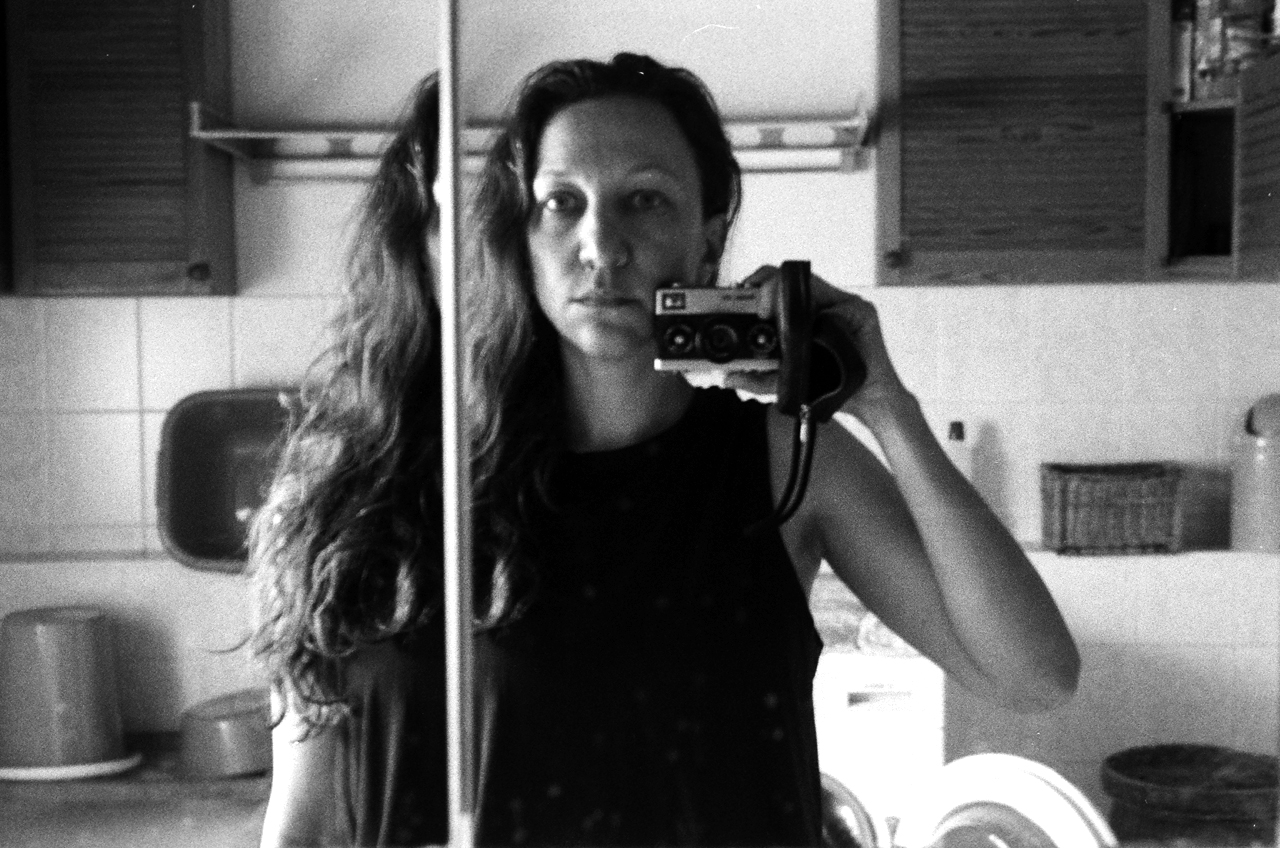
Eröffnung der Ausstellung „Lebenslinien. Über Grenzen hinweg“
Ein Kunstprojekt von Hanna Melnykova
Im Sommer 2025 wanderte Hanna Melnykova von Deutschland in die Ukraine. Das Zentrum für verfolgte Künste zeigt die fotografische Dokumentation ihres performativen Spaziergangs vom 8.10-8.11.
Learn more


