

In 1935, the Nazi regime boasted that it was a 1,000-year empire. Heinrich Mann countered eloquently in his preface to Karl Schwesig's planned book “Schlegelkeller” from exile in southern France: “The eternity that the Hitler Empire gives itself is not the same as it deserves. It deserves a museum to store its abominations so that people don't forget how deeply, when disaster wants it, human nature can be humiliated. Karl Schwesig's drawings and paintings are worthy of adorning the museum. They should teach viewers to cry out of shame. ”
In the museum Center for Persecuted Arts This draft of the planned book has now found a home with works from all phases of Schwesig's career. Paintings from the “Golden Twenties”, drawings from the time of imprisonment, prints and large-format oil paintings created after the end of the Second World War until his death in 1955 in Düsseldorf.

Die Cultural Foundation of the Länder Enabled the Civic Foundation for Persecuted Arts the acquisition of Karl Schwesig's estate with over 500 works for the Museum Center for Persecuted Arts. Prof. Dr. Markus Hilgert, Secretary General of the Cultural Foundation of the Länder, said: “The collection of Karl Schwesig's estate is not only of great regional and art historical significance. Karl Schwesig resisted National Socialism and paid a high price for it. His artistic and written testimonies strengthen the collection at the Center for Persecuted Arts and will be available here to the public and research in the future. Karl Schwesig will thus in future take up the place he deserves in art history, whose life path is a reminder of the freedom of art and the commitment to democracy and human dignity. ”
The presentation of Karl Schwesig's estate collection took place at the museum on February 1, 2024 Center for Persecuted Arts in the presence of Prof. Dr. Markus Hilgert. The hotel team with museum director Dr. Jürgen Kaumkötter was also pleased to welcome Karl Schwesig's daughter as guest of honor at the event. Antje Schwesig addressed moving words to the guests and reminded them that her father was not just an artist, but a political person who stood up for his convictions. She was pleased that his estate is now in good hands and available to the public.

In addition to presenting the revised permanent exhibition With works of art by Karl Schwesig by the museum team, the 9th grades of the Solingen Humboldt Gymnasium presented their project “The path. Encounters with persecuted artists”.
Karl Schwesig, born on June 19, 1898 in Gelsenkirchen-Bismarck, was a member of the artists' association The Young Rhineland and victims of persecution during the National Socialist era. Schwesig attended the School of Arts and Crafts in Düsseldorf and studied at the art academy with Heinrich Campendonk and Adolf Uzarski. After his studies, he worked as a freelance artist in Düsseldorf and was part of the Mutter Ey circle of artists. Schwesig focused primarily on the topic of urban landscape and society. His paintings are characterized by strong colors and an expressive design language. During the National Socialist era, Schwesig's art was defamed as “degenerate” and removed from German museums.

Karl Schwesig was arrested by the SA in 1933 when he distributed leaflets against the National Socialists' lies about the Reichstag fire. He was interrogated and tortured in the notorious Schlegelkeller in Düsseldorf. After fleeing in Belgium in 1935/36, he created a picture story with 48 ink drawings about the atrocities of the SA, which is unfortunately considered lost after an exhibition in Moscow. In 1983, the cycle was reproduced on the basis of found photos of the drawings. For us today, the expressive images are documentation and accusation.
The Cultural Foundation of the Länder is funding the purchase with 128,800 euros.
Karl Schwesig's written estate is in the German Exile Archive 1933-1945 of the German National Library.
Curators of the permanent exhibition
Marielena Buonaiuto, Hanna Sauer, Susanne Vieten, NRW research volunteers: Vanessa Arndt, Judith Steinig-Lange, under the direction of Dr. Jürgen Joseph Kaumkötter

Press review
WDR Kulturnachrichten, 1.2.2024: Karl Schwesig estate at the Center for Persecuted Arts
Solinger Tageblatt, 2.2.2024: Center for Persecuted Arts receives art for half a million
Westfalenspiegel, 2.2.2024: “Reminder for the freedom of art”
Kölnische Rundschau, 5.2.2024: Karl Schwesig — Persecuted and abused by the Nazis
FAZ, 5.2.2024: The visible debt
What’s a Rich Text element?
The rich text element allows you to create and format headings, paragraphs, blockquotes, images, and video all in one place instead of having to add and format them individually. Just double-click and easily create content.
Static and dynamic content editing
A rich text element can be used with static or dynamic content. For static content, just drop it into any page and begin editing. For dynamic content, add a rich text field to any collection and then connect a rich text element to that field in the settings panel. Voila!
How to customize formatting for each rich text
Headings, paragraphs, blockquotes, figures, images, and figure captions can all be styled after a class is added to the rich text element using the "When inside of" nested selector system.
What’s a Rich Text element?
The rich text element allows you to create and format headings, paragraphs, blockquotes, images, and video all in one place instead of having to add and format them individually. Just double-click and easily create content.
Static and dynamic content editing
A rich text element can be used with static or dynamic content. For static content, just drop it into any page and begin editing. For dynamic content, add a rich text field to any collection and then connect a rich text element to that field in the settings panel. Voila!
How to customize formatting for each rich text
Headings, paragraphs, blockquotes, figures, images, and figure captions can all be styled after a class is added to the rich text element using the "When inside of" nested selector system.
What’s a Rich Text element?
The rich text element allows you to create and format headings, paragraphs, blockquotes, images, and video all in one place instead of having to add and format them individually. Just double-click and easily create content.
Static and dynamic content editing
A rich text element can be used with static or dynamic content. For static content, just drop it into any page and begin editing. For dynamic content, add a rich text field to any collection and then connect a rich text element to that field in the settings panel. Voila!
How to customize formatting for each rich text
Headings, paragraphs, blockquotes, figures, images, and figure captions can all be styled after a class is added to the rich text element using the "When inside of" nested selector system.
What’s a Rich Text element?
The rich text element allows you to create and format headings, paragraphs, blockquotes, images, and video all in one place instead of having to add and format them individually. Just double-click and easily create content.
Static and dynamic content editing
A rich text element can be used with static or dynamic content. For static content, just drop it into any page and begin editing. For dynamic content, add a rich text field to any collection and then connect a rich text element to that field in the settings panel. Voila!
How to customize formatting for each rich text
Headings, paragraphs, blockquotes, figures, images, and figure captions can all be styled after a class is added to the rich text element using the "When inside of" nested selector system.
What’s a Rich Text element?
The rich text element allows you to create and format headings, paragraphs, blockquotes, images, and video all in one place instead of having to add and format them individually. Just double-click and easily create content.
Static and dynamic content editing
A rich text element can be used with static or dynamic content. For static content, just drop it into any page and begin editing. For dynamic content, add a rich text field to any collection and then connect a rich text element to that field in the settings panel. Voila!
How to customize formatting for each rich text
Headings, paragraphs, blockquotes, figures, images, and figure captions can all be styled after a class is added to the rich text element using the "When inside of" nested selector system.
What’s a Rich Text element?
The rich text element allows you to create and format headings, paragraphs, blockquotes, images, and video all in one place instead of having to add and format them individually. Just double-click and easily create content.
Static and dynamic content editing
A rich text element can be used with static or dynamic content. For static content, just drop it into any page and begin editing. For dynamic content, add a rich text field to any collection and then connect a rich text element to that field in the settings panel. Voila!
How to customize formatting for each rich text
Headings, paragraphs, blockquotes, figures, images, and figure captions can all be styled after a class is added to the rich text element using the "When inside of" nested selector system.
What’s a Rich Text element?
The rich text element allows you to create and format headings, paragraphs, blockquotes, images, and video all in one place instead of having to add and format them individually. Just double-click and easily create content.
Static and dynamic content editing
A rich text element can be used with static or dynamic content. For static content, just drop it into any page and begin editing. For dynamic content, add a rich text field to any collection and then connect a rich text element to that field in the settings panel. Voila!
How to customize formatting for each rich text
Headings, paragraphs, blockquotes, figures, images, and figure captions can all be styled after a class is added to the rich text element using the "When inside of" nested selector system.
What’s a Rich Text element?
The rich text element allows you to create and format headings, paragraphs, blockquotes, images, and video all in one place instead of having to add and format them individually. Just double-click and easily create content.
Static and dynamic content editing
A rich text element can be used with static or dynamic content. For static content, just drop it into any page and begin editing. For dynamic content, add a rich text field to any collection and then connect a rich text element to that field in the settings panel. Voila!
How to customize formatting for each rich text
Headings, paragraphs, blockquotes, figures, images, and figure captions can all be styled after a class is added to the rich text element using the "When inside of" nested selector system.
What’s a Rich Text element?
The rich text element allows you to create and format headings, paragraphs, blockquotes, images, and video all in one place instead of having to add and format them individually. Just double-click and easily create content.
Static and dynamic content editing
A rich text element can be used with static or dynamic content. For static content, just drop it into any page and begin editing. For dynamic content, add a rich text field to any collection and then connect a rich text element to that field in the settings panel. Voila!
How to customize formatting for each rich text
Headings, paragraphs, blockquotes, figures, images, and figure captions can all be styled after a class is added to the rich text element using the "When inside of" nested selector system.
What’s a Rich Text element?
The rich text element allows you to create and format headings, paragraphs, blockquotes, images, and video all in one place instead of having to add and format them individually. Just double-click and easily create content.
Static and dynamic content editing
A rich text element can be used with static or dynamic content. For static content, just drop it into any page and begin editing. For dynamic content, add a rich text field to any collection and then connect a rich text element to that field in the settings panel. Voila!
How to customize formatting for each rich text
Headings, paragraphs, blockquotes, figures, images, and figure captions can all be styled after a class is added to the rich text element using the "When inside of" nested selector system.
What’s a Rich Text element?
The rich text element allows you to create and format headings, paragraphs, blockquotes, images, and video all in one place instead of having to add and format them individually. Just double-click and easily create content.
Static and dynamic content editing
A rich text element can be used with static or dynamic content. For static content, just drop it into any page and begin editing. For dynamic content, add a rich text field to any collection and then connect a rich text element to that field in the settings panel. Voila!
How to customize formatting for each rich text
Headings, paragraphs, blockquotes, figures, images, and figure captions can all be styled after a class is added to the rich text element using the "When inside of" nested selector system.
What’s a Rich Text element?
The rich text element allows you to create and format headings, paragraphs, blockquotes, images, and video all in one place instead of having to add and format them individually. Just double-click and easily create content.
Static and dynamic content editing
A rich text element can be used with static or dynamic content. For static content, just drop it into any page and begin editing. For dynamic content, add a rich text field to any collection and then connect a rich text element to that field in the settings panel. Voila!
How to customize formatting for each rich text
Headings, paragraphs, blockquotes, figures, images, and figure captions can all be styled after a class is added to the rich text element using the "When inside of" nested selector system.


Wechselausstellung
:
Lines of Destiny
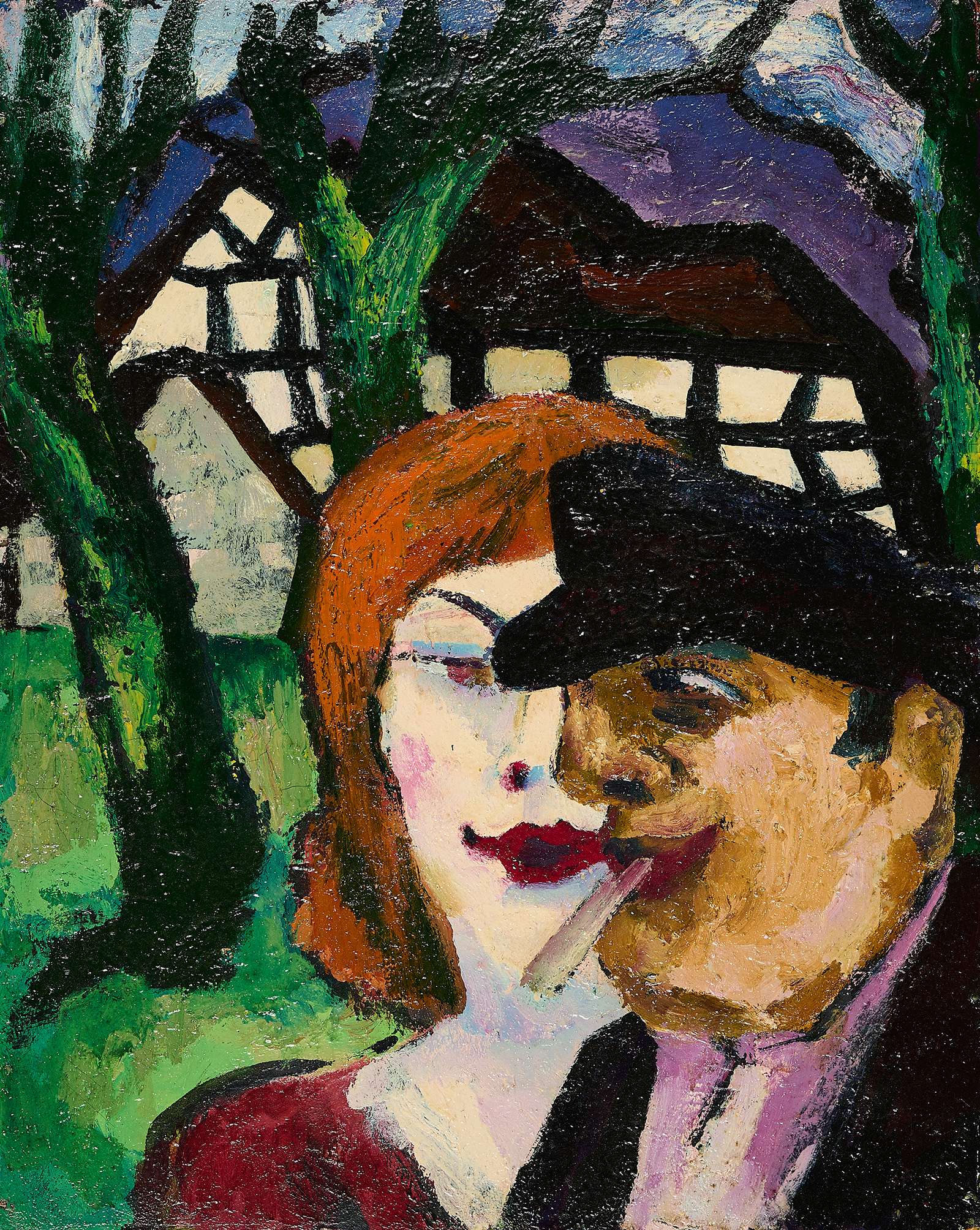
The painter Fritz Schaefler and his collector Joseph Heymann
The exhibition explores the fractured biographies of two men: the Expressionist painter and graphic artist Fritz Schaefler (1888-1954) and the Rheinland Jewish industrialist and art collector Joseph Heymann (1887-1954).

Vernissage
:
Eröffnung der Ausstellung „Lebenslinien. Über Grenzen hinweg“
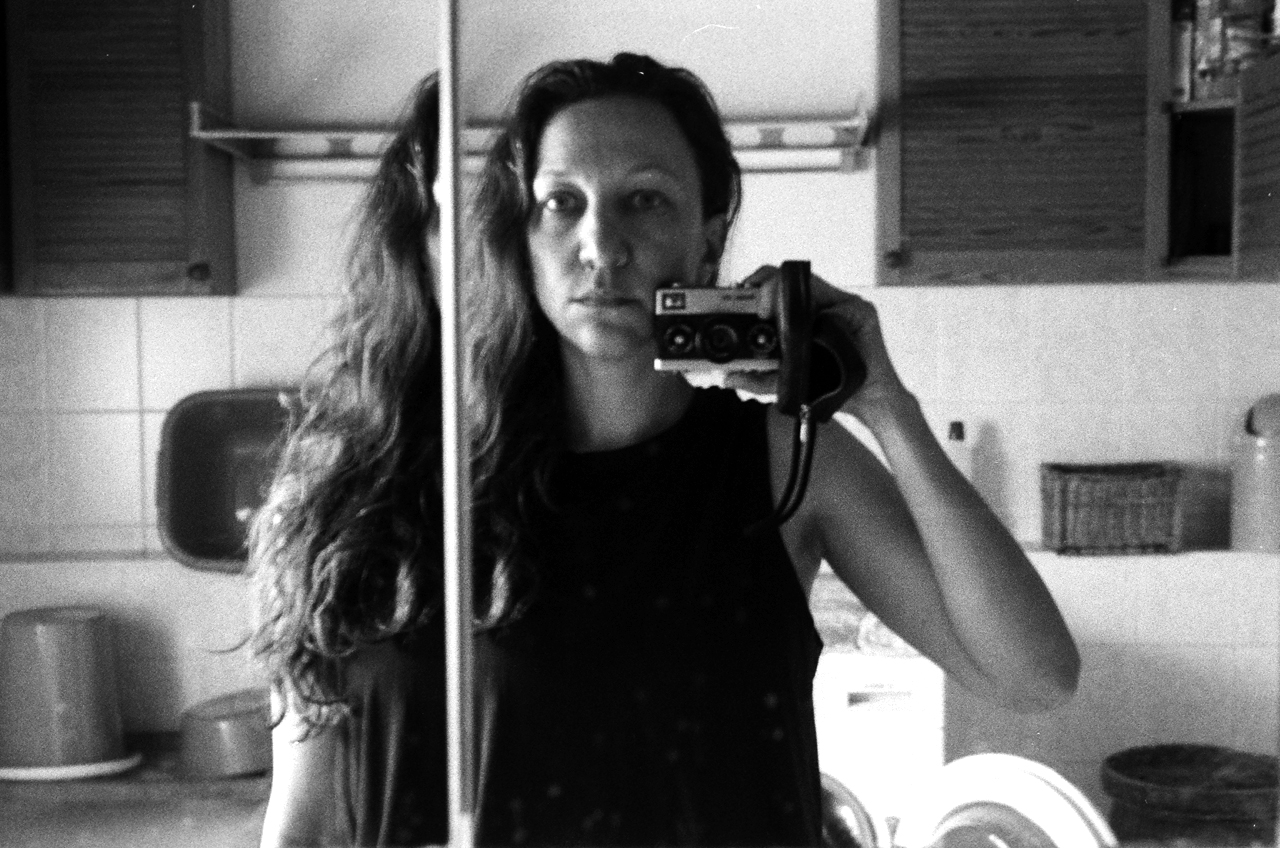
Ein Kunstprojekt von Hanna Melnykova
Im Sommer 2025 wanderte Hanna Melnykova von Deutschland in die Ukraine. Das Zentrum für verfolgte Künste zeigt die fotografische Dokumentation ihres performativen Spaziergangs vom 8.10-8.11.
colloquy
:
How could that happen?
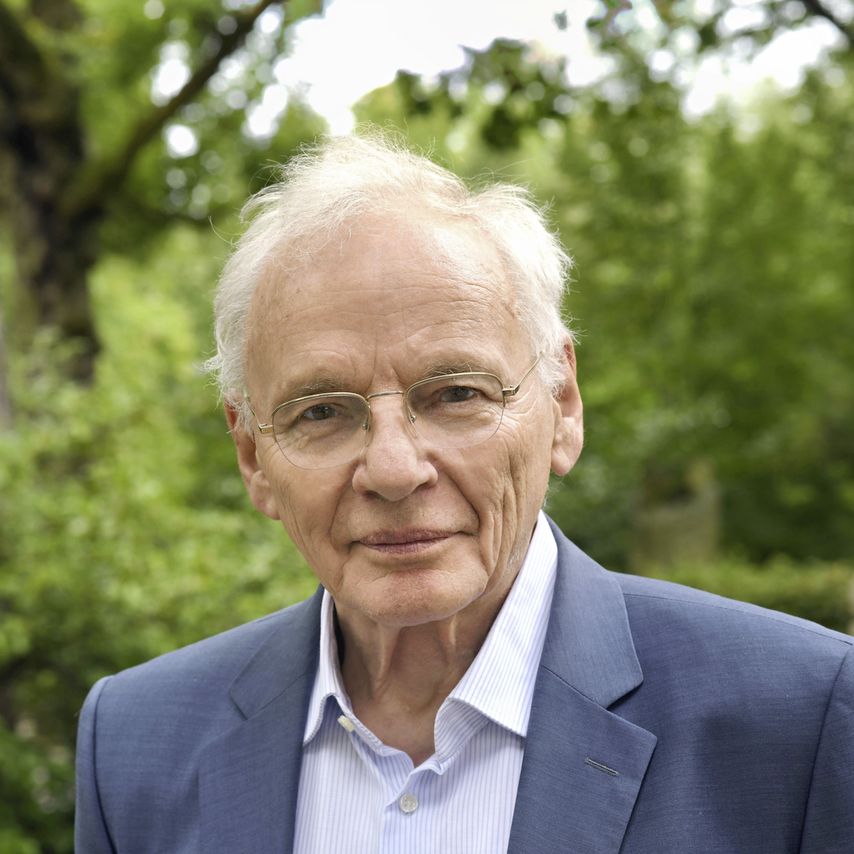
Cultural Policy Salon with Götz Aly
Götz Aly is one of the most famous authors on the history of National Socialism and the Holocaust. Cultural Policy Salon at the Center for Persecuted Arts with Andreas Schäfer.


