
Wir stellen ein
5.2.2026
_crop.jpg)
Stellenausschreibung: Wissenschaftliche/r Mitarbeiter/in (m/w/d)
Projekt „KulturKompass“ (KI & AR Museums-Guide-App) in Teilzeit im Museum Zentrum für verfolgte Künste
Das KulturKompass-Projekt stärkt Nordrhein-Westfalen als Standort für innovative Technologien in der Kultur- und Kreativwirtschaft. Durch die Integration von Künstlicher Intelligenz (KI) und Augmented Reality (AR) entsteht ein neues, interaktives Besuchserlebnis für Museen und kulturelle Einrichtungen – mit personalisierten Führungen, AR-Erlebnissen und einer skalierbaren Plattform zur Digitalisierung und Vermittlung kultureller Inhalte. Das Vorhaben leistet einen Beitrag zur Regionalen Innovationsstrategie next.NRW.
Zur Umsetzung suchen wir für das Zentrum für verfolgte Künste GmbH (Solingen) zum nächstmöglichen Zeitpunkt eine engagierte Persönlichkeit als
- Wissenschaftliche/r Mitarbeiter/in (m/w/d) – KulturKompass (AR & KI Museums-Guide-App)
- Arbeitsort: Solingen (NRW) / projektbezogene Einsatzorte
- Beschäftigungsart: in Teilzeit (projektbezogen befristet für 2 Jahre)
Ihre Aufgaben:
Sie arbeiten an der Schnittstelle von Kulturvermittlung, Redaktion und digitaler Produktentwicklung. Zu Ihren Aufgaben gehören insbesondere:
- Vorbereitung und Planung:
- Sichtung und Auseinandersetzung mit der Sammlung
- Mitwirkung an Redaktions- und Produktionsabläufen
- Projektmanagement: Abstimmung von Zeitplänen und Content-Workflows mit dem externen Partner, der die technische Umsetzung vornimmt
- Konzeption und Design: Unterstützung des externen Partners bei der Entwicklung von Vermittlungsformaten (KI-gestützte Guides, AR-Interaktionen, User Journeys)
- Text- und Bildredaktion: Erstellung, Bearbeitung und Kuratierung von Inhalten (Kurztexte, Stationstexte, Bildauswahl, Metadaten) für unterschiedliche Zielgruppen
- Zusammenarbeit mit Projektpartnern (Museen, Entwickler*innen, Kreativwirtschaft) und Beitrag zur Skalierbarkeit des Ansatzes auf weitere Kultur- und Tourismuskontexte
Ihr Profil:
- Abgeschlossenes Hochschulstudium (z. B. Kunstgeschichte, Kulturwissenschaften, Medien-/Kommunikationswissenschaften, Digital Humanities o. ä.)
- Sehr gute redaktionelle Fähigkeiten (präzise, publikumsorientiert, stilistisch sicher)
- Erfahrung oder starkes Interesse an digitaler Kulturvermittlung und/oder AR/KI-Anwendungen
- Sicherer Umgang mit Bild- und Textmaterial (Rechte/Quellen/Metadaten)
- Strukturierte, eigenständige Arbeitsweise sowie Team- und Kommunikationsfähigkeit
Wir bieten:
- Mitarbeit an einem innovations- und transferorientierten NRW-Projekt mit hoher Sichtbarkeit
- Ein interdisziplinäres Umfeld zwischen Museumspraxis und Technologieentwicklung
- Mitarbeit in einem jungen Team und in einem dynamischen Museum
- Flexible Abstimmung der Anwesenheitszeiten, Homeoffice nach Absprache möglich
- Übernahme notwendiger projektbezogener Auslagen und genehmigter Reisekosten nach den geltenden Regelungen
- Eine Vergütung nach TVöD 13
Bewerbung
Bitte beachten Sie, dass das Einreichen einer aktuellen dienstlichen Beurteilung bzw. eines Arbeitszeugnisses (jeweils nicht älter als ein Jahr) verpflichtend ist.
Bitte fügen Sie Ihrer Bewerbung in deutscher Sprache Anschreiben, Lebenslauf, Nachweise über den Ausbildungs-/ Studienabschluss und Arbeitszeugnisse bzw. dienstliche Beurteilungen bei.
Falls Sie Ihren Studienabschluss im Ausland erlangt haben, fügen Sie bitte auch eine Zeugnisbewertung der Zentralstelle für ausländisches Bildungswesen (ZAB) bei.
Ihre Bewerbung schicken Sie bitte bis einschließlich 22. März 2026 an
Fragen zu den Aufgaben und zu der Stelle richten Sie bitte per E-Mail an die oben genannte Adresse. Ein Telefontermin kann ebenfalls per E-Mail vereinbart werden.
Für eine persönliche Vorstellung sollten Sie nach Rücksprache zur Verfügung stehen. Eine Erstattung von Reisekosten im Zusammenhang mit der Vorstellung ist leider nicht möglich. Es können nur vollständige Bewerbungen berücksichtigt werden.
Das Museum
Das Zentrum für verfolgte Künste ist ein Museum für Menschen, deren künstlerische Entfaltungsmöglichkeiten von den Diktaturen des letzten Jahrhunderts und bis in die Gegenwart hinein durch Terror und Gewalt blockiert, verhindert und vernichtet wurden. Es bezieht sich im Kern seines Handelns auf die „Bürgerstiftung für verfolgte Künste - Else-Lasker-Schüler-Zentrum - Kunstsammlung Gerhard Schneider“ und setzt sich auseinander mit bildkünstlerischen und literarischen Werken, die die politischen und gesellschaftlichen Ereignisse zwischen 1914 und 1989 spiegeln. Ebenso widmet sich das Zentrum den verfolgten darstellenden Künsten wie Musik, Film, Theater und Kabarett.
Das Zentrum, getragen von der Klingenstadt Solingen und dem Landschaftsverband Rheinland, geht weltweit Kooperationen ein und trägt die Aufarbeitung diktatorischer Vergangenheit über die Grenzen Deutschlands hinaus. Das Zentrum kooperiert mit verwandten Institutionen, Universitäten und anderen Bildungseinrichtungen. Es beteiligt sich an Forschungsprojekten und dient als Plattform zur Darstellung von Initiativen, themenbezogenen Veranstaltungen und wissenschaftlichen Auseinandersetzungen. Es ist ein Dialograum für Betroffene und nachfolgende Generationen, Wissenschaftlerinnen und Wissenschaftler sowie alle am Thema Interessierte.
Das offene Museum der Zukunft
Das Projekt hat zum Ziel, Besucherin und Besuchern eine vollkommen neue Erfahrung von Wissensvermittlung in Museen durch den Einsatz von Augmented Reality (AR) und künstlicher Intelligenz (KI) zu ermöglichen. Durch die Kombination dieser Technologien möchten wir eine interaktive und faszinierende Möglichkeit schaffen, um Besuchern vertiefende Informationen über die Exponate bereitzustellen. Wir planen, eine mobile Anwendung, die es den Besuchern ermöglicht, mittels AR-Technologie zusätzliche Informationen über die Ausstellungsstücke abzurufen. Durch das Scannen eines Exponats mit ihren Smartphones erhalten die Besucher automatisch relevante Informationen, wie z.B. historische Hintergründe, künstlerische Details oder wissenschaftliche Erklärungen. Die Besonderheit des Projekts liegt in der Integration künstlicher Intelligenz. Die KI wird dazu eingesetzt, die Interaktion mit den Besuchern zu personalisieren und maßgeschneiderte Informationen bereitzustellen. Basierend auf dem Nutzerverhalten und den Interessen werden die Inhalte dynamisch angepasst, um eine individuelle und ansprechende Erfahrung zu gewährleisten.
Durch die Schaffung einer innovativen und interaktiven Plattform streben wir danach, Museumsbesuche für ein breites Publikum attraktiver und zugänglicher zu machen. Die Integration von AR und KI ermöglicht es Besuchern aller Altersgruppen, Sprachen und Hintergründe, sich aktiv mit den Ausstellungsstücken auseinanderzusetzen und ein tieferes Verständnis für die Geschichte und die kulturelle Bedeutung der präsentierten Artefakte zu entwickeln. Diese Technologien schaffen eine Brücke zwischen Vergangenheit und Gegenwart und machen das kulturelle Erbe für die Zukunft erlebbar und verständlich.
What’s a Rich Text element?
The rich text element allows you to create and format headings, paragraphs, blockquotes, images, and video all in one place instead of having to add and format them individually. Just double-click and easily create content.
Static and dynamic content editing
A rich text element can be used with static or dynamic content. For static content, just drop it into any page and begin editing. For dynamic content, add a rich text field to any collection and then connect a rich text element to that field in the settings panel. Voila!
How to customize formatting for each rich text
Headings, paragraphs, blockquotes, figures, images, and figure captions can all be styled after a class is added to the rich text element using the "When inside of" nested selector system.
What’s a Rich Text element?
The rich text element allows you to create and format headings, paragraphs, blockquotes, images, and video all in one place instead of having to add and format them individually. Just double-click and easily create content.
Static and dynamic content editing
A rich text element can be used with static or dynamic content. For static content, just drop it into any page and begin editing. For dynamic content, add a rich text field to any collection and then connect a rich text element to that field in the settings panel. Voila!
How to customize formatting for each rich text
Headings, paragraphs, blockquotes, figures, images, and figure captions can all be styled after a class is added to the rich text element using the "When inside of" nested selector system.
What’s a Rich Text element?
The rich text element allows you to create and format headings, paragraphs, blockquotes, images, and video all in one place instead of having to add and format them individually. Just double-click and easily create content.
Static and dynamic content editing
A rich text element can be used with static or dynamic content. For static content, just drop it into any page and begin editing. For dynamic content, add a rich text field to any collection and then connect a rich text element to that field in the settings panel. Voila!
How to customize formatting for each rich text
Headings, paragraphs, blockquotes, figures, images, and figure captions can all be styled after a class is added to the rich text element using the "When inside of" nested selector system.
What’s a Rich Text element?
The rich text element allows you to create and format headings, paragraphs, blockquotes, images, and video all in one place instead of having to add and format them individually. Just double-click and easily create content.
Static and dynamic content editing
A rich text element can be used with static or dynamic content. For static content, just drop it into any page and begin editing. For dynamic content, add a rich text field to any collection and then connect a rich text element to that field in the settings panel. Voila!
How to customize formatting for each rich text
Headings, paragraphs, blockquotes, figures, images, and figure captions can all be styled after a class is added to the rich text element using the "When inside of" nested selector system.
What’s a Rich Text element?
The rich text element allows you to create and format headings, paragraphs, blockquotes, images, and video all in one place instead of having to add and format them individually. Just double-click and easily create content.
Static and dynamic content editing
A rich text element can be used with static or dynamic content. For static content, just drop it into any page and begin editing. For dynamic content, add a rich text field to any collection and then connect a rich text element to that field in the settings panel. Voila!
How to customize formatting for each rich text
Headings, paragraphs, blockquotes, figures, images, and figure captions can all be styled after a class is added to the rich text element using the "When inside of" nested selector system.
What’s a Rich Text element?
The rich text element allows you to create and format headings, paragraphs, blockquotes, images, and video all in one place instead of having to add and format them individually. Just double-click and easily create content.
Static and dynamic content editing
A rich text element can be used with static or dynamic content. For static content, just drop it into any page and begin editing. For dynamic content, add a rich text field to any collection and then connect a rich text element to that field in the settings panel. Voila!
How to customize formatting for each rich text
Headings, paragraphs, blockquotes, figures, images, and figure captions can all be styled after a class is added to the rich text element using the "When inside of" nested selector system.
What’s a Rich Text element?
The rich text element allows you to create and format headings, paragraphs, blockquotes, images, and video all in one place instead of having to add and format them individually. Just double-click and easily create content.
Static and dynamic content editing
A rich text element can be used with static or dynamic content. For static content, just drop it into any page and begin editing. For dynamic content, add a rich text field to any collection and then connect a rich text element to that field in the settings panel. Voila!
How to customize formatting for each rich text
Headings, paragraphs, blockquotes, figures, images, and figure captions can all be styled after a class is added to the rich text element using the "When inside of" nested selector system.
What’s a Rich Text element?
The rich text element allows you to create and format headings, paragraphs, blockquotes, images, and video all in one place instead of having to add and format them individually. Just double-click and easily create content.
Static and dynamic content editing
A rich text element can be used with static or dynamic content. For static content, just drop it into any page and begin editing. For dynamic content, add a rich text field to any collection and then connect a rich text element to that field in the settings panel. Voila!
How to customize formatting for each rich text
Headings, paragraphs, blockquotes, figures, images, and figure captions can all be styled after a class is added to the rich text element using the "When inside of" nested selector system.
What’s a Rich Text element?
The rich text element allows you to create and format headings, paragraphs, blockquotes, images, and video all in one place instead of having to add and format them individually. Just double-click and easily create content.
Static and dynamic content editing
A rich text element can be used with static or dynamic content. For static content, just drop it into any page and begin editing. For dynamic content, add a rich text field to any collection and then connect a rich text element to that field in the settings panel. Voila!
How to customize formatting for each rich text
Headings, paragraphs, blockquotes, figures, images, and figure captions can all be styled after a class is added to the rich text element using the "When inside of" nested selector system.
What’s a Rich Text element?
The rich text element allows you to create and format headings, paragraphs, blockquotes, images, and video all in one place instead of having to add and format them individually. Just double-click and easily create content.
Static and dynamic content editing
A rich text element can be used with static or dynamic content. For static content, just drop it into any page and begin editing. For dynamic content, add a rich text field to any collection and then connect a rich text element to that field in the settings panel. Voila!
How to customize formatting for each rich text
Headings, paragraphs, blockquotes, figures, images, and figure captions can all be styled after a class is added to the rich text element using the "When inside of" nested selector system.
What’s a Rich Text element?
The rich text element allows you to create and format headings, paragraphs, blockquotes, images, and video all in one place instead of having to add and format them individually. Just double-click and easily create content.
Static and dynamic content editing
A rich text element can be used with static or dynamic content. For static content, just drop it into any page and begin editing. For dynamic content, add a rich text field to any collection and then connect a rich text element to that field in the settings panel. Voila!
How to customize formatting for each rich text
Headings, paragraphs, blockquotes, figures, images, and figure captions can all be styled after a class is added to the rich text element using the "When inside of" nested selector system.
What’s a Rich Text element?
The rich text element allows you to create and format headings, paragraphs, blockquotes, images, and video all in one place instead of having to add and format them individually. Just double-click and easily create content.
Static and dynamic content editing
A rich text element can be used with static or dynamic content. For static content, just drop it into any page and begin editing. For dynamic content, add a rich text field to any collection and then connect a rich text element to that field in the settings panel. Voila!
How to customize formatting for each rich text
Headings, paragraphs, blockquotes, figures, images, and figure captions can all be styled after a class is added to the rich text element using the "When inside of" nested selector system.
Materialien
Pressespiegel
Aktuelles

Wechselausstellung
:
Lebenslinien. Über Grenzen hinweg
Ein Kunstprojekt von Hanna Melnykova
Im Sommer 2025 wanderte die Fotokünstlerin Hanna Melnykova von Deutschland in die Ukraine. Das Museum Zentrum für verfolgte Künste zeigt die fotografische Dokumentation ihres performativen Spaziergangs.

Lesung
:
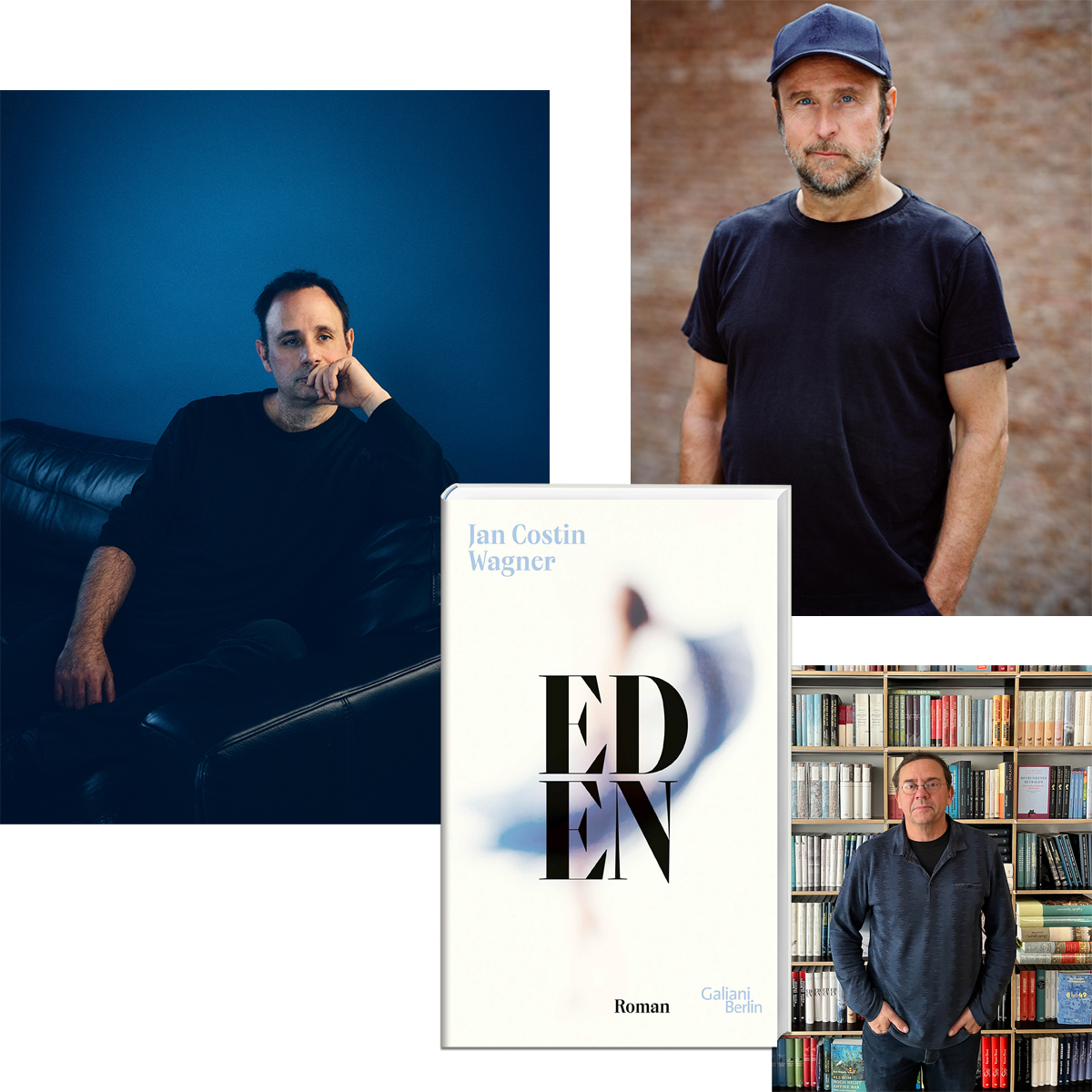
Eden in Solingen
Lesung und Gespräch mit Jan Costin Wagner, Bjarne Mädel, Philipp Müller und Wolfgang Hörner
In dem Roman „Eden“ erzählt Jan Costin Wagner von einer Gesellschaft, die nach einem Anschlag an Mitgefühl, Vertrauen und Zusammenhalt verliert. Ein Gespräch über Verlust und Verantwortung.

Führung
:
Öffentliche Sonntagsführung in der Dauerausstellung
Eine Entdeckungsreise durch unsere Sammlung
Im Zentrum für verfolgte Künste können Sie Künstler:innen entdecken, die über die letzten Jahrzehnte in Vergessenheit geraten sind.


