100 years after his last solo exhibition.
80 years after his death —
Marian Ruzamski's work returns to the public eye.
Art as a testimony
Works of art can express the unspeakable. They transmit history not only in facts, but also in feelings — and connect us to the experiences of those who created it. The exhibition “Marian Ruzamski. The Art of Memory” is dedicated to an artist who not only impresses with his extraordinary world of color and depth, but also with his fate. Ruzamski was deported to Auschwitz during World War II and died in 1945 in the Bergen-Belsen camp. His works created in Auschwitz are a silent resistance against oblivion — an expression of hope in times of greatest darkness.
The artist Marian Ruzamski (1889-1945)
“Despite rave reviews and exhibitions in the most renowned salons of the Second Republic, he never succeeded in establishing himself among the leading Polish painters of the 20th century. Even after the Second World War, it remained impossible to bring him back into the collective memory. ” — Tadeusz Zych, 2025
Marian Ruzamski was a sensitive observer of his environment. His paintings show portraits, landscapes, scenes of everyday life — always steeped in a deep sense of humanity. He is one of the artists whose work was almost wiped out by persecution. This exhibition is the first comprehensive presentation of his oeuvre — an homage to a great Polish painter and witness of the Shoah.
The dramatic changes of the past century shaped the life of Marian Ruzamski: Born in Lipnik near Bielsko-Biała in 1889, he came from a culturally diverse family. His mother was a French Jew, his father a Polish notary. As a former citizen of Austria-Hungary, the young, highly talented artist had to cancel his scholarship in Paris in 1914 and leave France, as he became an “enemy alien” at the start of the war. During World War I, Russian troops deported him to Kharkiv. From the turmoil of the revolution, he returned severely traumatized to the now free young Polish state. During the German occupation of Poland in World War II, Ruzamski was denounced as a Jew and homosexual in 1943, deported to Auschwitz by the National Socialists and later deported to Bergen-Belsen, where he died 80 years ago on March 8, 1945 shortly before the end of the war.
But although Ruzamski's life was overshadowed by war, persecution, and violence, his works tell a different story. His paintings are characterized by a deep humanity, scenes of everyday life and an almost floating lightness — as if another, peaceful century were passing us by. They are poetic, haunting images that are reminiscent of summer landscapes, not of terror and destruction.
The driving force Marian Turski (1926—2025)
The idea for the exhibition dates back to Marian Turski — historian, journalist and Auschwitz survivor. Throughout his life, he fought against oblivion, for democracy and human rights.
His words “Auschwitz did not fall out of the sky. It began with small manifestations of intolerance and anti-Semitism, with racism. That's what you have to remember: It didn't start with gas chambers. ” Remind us to this day. Turski accompanied the creation of this exhibition until shortly before his death. His preface to the catalog was completed a few days before his death on February 18, 2025. The exhibition is dedicated to him.
The art of remembrance
2025 marks the 80th anniversary of the end of the Second World War — an occasion to pause and reconsider the question of how we remember the catastrophic events of the first half of the 20th century today. The exhibition with works by Marian Ruzamski is an artistic contribution to this commemoration. It focuses on an individual fate that exemplifies many, and at the same time shows that remembrance is not only a reminder but also a cultural heritage. At a time when historical narratives are increasingly being questioned, the exhibition sets an example of the importance of art as a medium of historical awareness. It reminds us that the path to reconciliation is through understanding — and that this understanding often begins in the silence of an image.
The exhibition was created in collaboration with Tarnowski Castle Museum in Tarnobrzeg and the Auschwitz-Birkenau State Museum. It is supported by the Foundation for German-Polish Cooperation, the Polish Institute Düsseldorf, the Gerd Kaimer Citizens' Foundation Solingen and the Ministry of Culture and Sciences of the State of North Rhine-Westphalia, as well as other sponsors. After the initial presentation in the museum Center for Persecuted Arts Will the exhibition be shown in Tarnobrzeg, Ruzamski's last home, and in spring 2026 at Palace of Fine Arts in Krakow, where Ruzamski had his last solo exhibition 100 years earlier.
In preparation for this exhibition, it took place on 4-5 September 2024 at Center for Persecuted Arts which German-Polish conference “Remembering the past, shaping the future” on the life and work of Marian Ruzamski and the fight against anti-Semitism.

What’s a Rich Text element?
The rich text element allows you to create and format headings, paragraphs, blockquotes, images, and video all in one place instead of having to add and format them individually. Just double-click and easily create content.
Static and dynamic content editing
A rich text element can be used with static or dynamic content. For static content, just drop it into any page and begin editing. For dynamic content, add a rich text field to any collection and then connect a rich text element to that field in the settings panel. Voila!
How to customize formatting for each rich text
Headings, paragraphs, blockquotes, figures, images, and figure captions can all be styled after a class is added to the rich text element using the "When inside of" nested selector system.
What’s a Rich Text element?
The rich text element allows you to create and format headings, paragraphs, blockquotes, images, and video all in one place instead of having to add and format them individually. Just double-click and easily create content.
Static and dynamic content editing
A rich text element can be used with static or dynamic content. For static content, just drop it into any page and begin editing. For dynamic content, add a rich text field to any collection and then connect a rich text element to that field in the settings panel. Voila!
How to customize formatting for each rich text
Headings, paragraphs, blockquotes, figures, images, and figure captions can all be styled after a class is added to the rich text element using the "When inside of" nested selector system.
What’s a Rich Text element?
The rich text element allows you to create and format headings, paragraphs, blockquotes, images, and video all in one place instead of having to add and format them individually. Just double-click and easily create content.
Static and dynamic content editing
A rich text element can be used with static or dynamic content. For static content, just drop it into any page and begin editing. For dynamic content, add a rich text field to any collection and then connect a rich text element to that field in the settings panel. Voila!
How to customize formatting for each rich text
Headings, paragraphs, blockquotes, figures, images, and figure captions can all be styled after a class is added to the rich text element using the "When inside of" nested selector system.
What’s a Rich Text element?
The rich text element allows you to create and format headings, paragraphs, blockquotes, images, and video all in one place instead of having to add and format them individually. Just double-click and easily create content.
Static and dynamic content editing
A rich text element can be used with static or dynamic content. For static content, just drop it into any page and begin editing. For dynamic content, add a rich text field to any collection and then connect a rich text element to that field in the settings panel. Voila!
How to customize formatting for each rich text
Headings, paragraphs, blockquotes, figures, images, and figure captions can all be styled after a class is added to the rich text element using the "When inside of" nested selector system.
What’s a Rich Text element?
The rich text element allows you to create and format headings, paragraphs, blockquotes, images, and video all in one place instead of having to add and format them individually. Just double-click and easily create content.
Static and dynamic content editing
A rich text element can be used with static or dynamic content. For static content, just drop it into any page and begin editing. For dynamic content, add a rich text field to any collection and then connect a rich text element to that field in the settings panel. Voila!
How to customize formatting for each rich text
Headings, paragraphs, blockquotes, figures, images, and figure captions can all be styled after a class is added to the rich text element using the "When inside of" nested selector system.
What’s a Rich Text element?
The rich text element allows you to create and format headings, paragraphs, blockquotes, images, and video all in one place instead of having to add and format them individually. Just double-click and easily create content.
Static and dynamic content editing
A rich text element can be used with static or dynamic content. For static content, just drop it into any page and begin editing. For dynamic content, add a rich text field to any collection and then connect a rich text element to that field in the settings panel. Voila!
How to customize formatting for each rich text
Headings, paragraphs, blockquotes, figures, images, and figure captions can all be styled after a class is added to the rich text element using the "When inside of" nested selector system.
What’s a Rich Text element?
The rich text element allows you to create and format headings, paragraphs, blockquotes, images, and video all in one place instead of having to add and format them individually. Just double-click and easily create content.
Static and dynamic content editing
A rich text element can be used with static or dynamic content. For static content, just drop it into any page and begin editing. For dynamic content, add a rich text field to any collection and then connect a rich text element to that field in the settings panel. Voila!
How to customize formatting for each rich text
Headings, paragraphs, blockquotes, figures, images, and figure captions can all be styled after a class is added to the rich text element using the "When inside of" nested selector system.
What’s a Rich Text element?
The rich text element allows you to create and format headings, paragraphs, blockquotes, images, and video all in one place instead of having to add and format them individually. Just double-click and easily create content.
Static and dynamic content editing
A rich text element can be used with static or dynamic content. For static content, just drop it into any page and begin editing. For dynamic content, add a rich text field to any collection and then connect a rich text element to that field in the settings panel. Voila!
How to customize formatting for each rich text
Headings, paragraphs, blockquotes, figures, images, and figure captions can all be styled after a class is added to the rich text element using the "When inside of" nested selector system.
What’s a Rich Text element?
The rich text element allows you to create and format headings, paragraphs, blockquotes, images, and video all in one place instead of having to add and format them individually. Just double-click and easily create content.
Static and dynamic content editing
A rich text element can be used with static or dynamic content. For static content, just drop it into any page and begin editing. For dynamic content, add a rich text field to any collection and then connect a rich text element to that field in the settings panel. Voila!
How to customize formatting for each rich text
Headings, paragraphs, blockquotes, figures, images, and figure captions can all be styled after a class is added to the rich text element using the "When inside of" nested selector system.
What’s a Rich Text element?
The rich text element allows you to create and format headings, paragraphs, blockquotes, images, and video all in one place instead of having to add and format them individually. Just double-click and easily create content.
Static and dynamic content editing
A rich text element can be used with static or dynamic content. For static content, just drop it into any page and begin editing. For dynamic content, add a rich text field to any collection and then connect a rich text element to that field in the settings panel. Voila!
How to customize formatting for each rich text
Headings, paragraphs, blockquotes, figures, images, and figure captions can all be styled after a class is added to the rich text element using the "When inside of" nested selector system.
What’s a Rich Text element?
The rich text element allows you to create and format headings, paragraphs, blockquotes, images, and video all in one place instead of having to add and format them individually. Just double-click and easily create content.
Static and dynamic content editing
A rich text element can be used with static or dynamic content. For static content, just drop it into any page and begin editing. For dynamic content, add a rich text field to any collection and then connect a rich text element to that field in the settings panel. Voila!
How to customize formatting for each rich text
Headings, paragraphs, blockquotes, figures, images, and figure captions can all be styled after a class is added to the rich text element using the "When inside of" nested selector system.
What’s a Rich Text element?
The rich text element allows you to create and format headings, paragraphs, blockquotes, images, and video all in one place instead of having to add and format them individually. Just double-click and easily create content.
Static and dynamic content editing
A rich text element can be used with static or dynamic content. For static content, just drop it into any page and begin editing. For dynamic content, add a rich text field to any collection and then connect a rich text element to that field in the settings panel. Voila!
How to customize formatting for each rich text
Headings, paragraphs, blockquotes, figures, images, and figure captions can all be styled after a class is added to the rich text element using the "When inside of" nested selector system.


Pressespiegel
Wechselausstellung
:
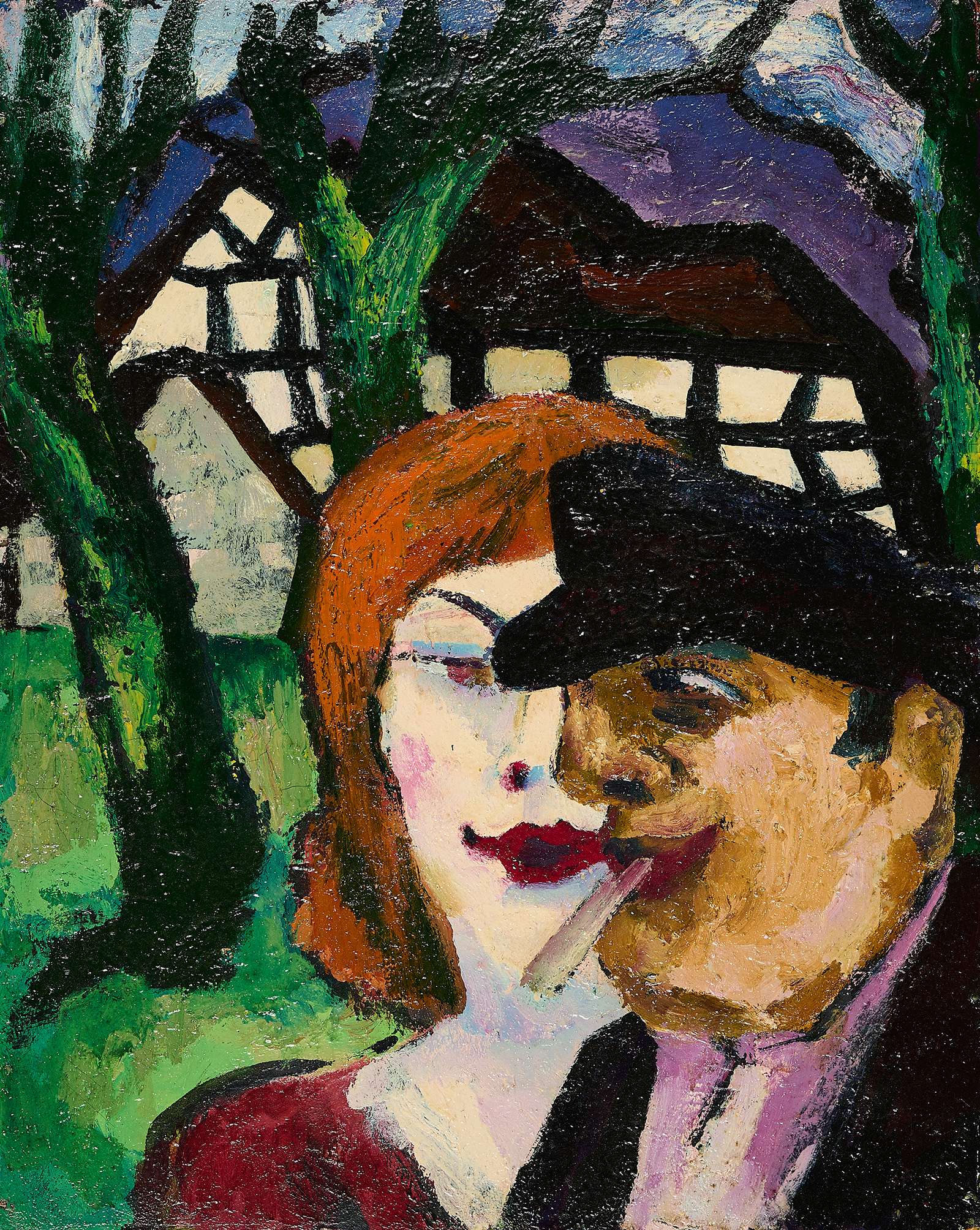
Lines of Destiny
The painter Fritz Schaefler and his collector Joseph Heymann
The exhibition explores the fractured biographies of two men: the Expressionist painter and graphic artist Fritz Schaefler (1888-1954) and the Rheinland Jewish industrialist and art collector Joseph Heymann (1887-1954).


Führung
:
Öffentliche Sonntagsführung in der Dauerausstellung
Eine Entdeckungsreise durch unsere Sammlung
Im Zentrum für verfolgte Künste können Sie Künstler:innen entdecken, die über die letzten Jahrzehnte in Vergessenheit geraten sind.
colloquy
:
How could that happen?
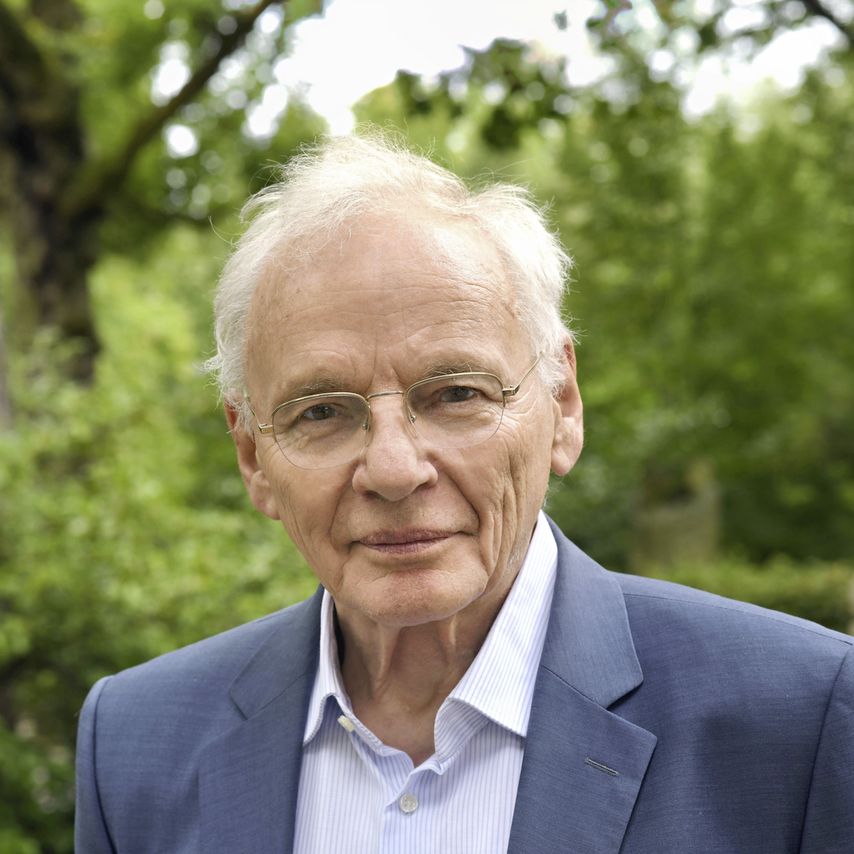
Cultural Policy Salon with Götz Aly
Götz Aly is one of the most famous authors on the history of National Socialism and the Holocaust. Cultural Policy Salon at the Center for Persecuted Arts with Andreas Schäfer.



.jpg)